Epilepsy is a medical condition where a person experiences repeated seizures without an immediate trigger. A seizure occurs when the brain’s electrical activity temporarily becomes abnormal, causing sudden changes in movement, awareness, or behavior. Seizures can be very different from person to person, some may simply stare blankly for a few seconds, while others may shake uncontrollably or collapse.
At PSRI Hospital, Sheikh Sarai, we focus on a complete approach to epilepsy. Every patient undergoes a detailed evaluation, including a thorough medical history, Video-EEG (which records brain activity along with video to capture seizures), and 1.5T MRI scans to spot any structural changes in the brain. Our care team brings together neurologists, neurosurgeons, epileptologists, neuroradiologists,neuro ICU specialists, psychologists, and rehabilitation experts, so your complete epilepsy treatment can be completed under one-roof.
A few very prominent symptoms of epilepsy include temporary confusion, uncontrollable jerking of legs or arms, staring spells, loss of consciousness or stiffening of the muscles. Further, depending on the type of seizure, psychological symptoms like anxiety or fear, change in vision or feeling of deja vu can occur. Early identification of these signs helps doctors find the cause and begin the right treatment, immediately before the signs of epilepsy worsen.
COMMON WARNING SIGNS (S-E-I-Z-E)
 New Delhi
Press Enclave Marg, J Pocket, Phase II,
Sheikh Sarai, New Delhi, Delhi 110017


Epilepsy occurs when brain cells send sudden, abnormal signals. The causes and risk factors include:
Epilepsy can take different forms depending on where in the brain the seizures start and how they affect awareness and movement. Knowing the types helps in early recognition and choosing the right treatment.
Your entire care process is simple, smooth, and well-coordinated from day one.
FIRST VISIT & TESTS: Doctor evaluates symptoms and may recommend an EEG.

VIDEO-EEG: Brain waves and video help identify seizure type.

MRI SCAN: Detects small brain scars or abnormalities.

EXPERT TEAM: Specialists collaborate on your treatment plan.

PERSONALIZED CARE: Medication helps most; advanced options if needed.

SAFETY GUIDANCE: Learn seizure first-aid and medication use.
FOLLOW-UPS: Progress tracked and treatment adjusted.
The outcome includes faster diagnosis, safer care, and better seizure control, managed by one coordinated neurology team at PSRI hospital.
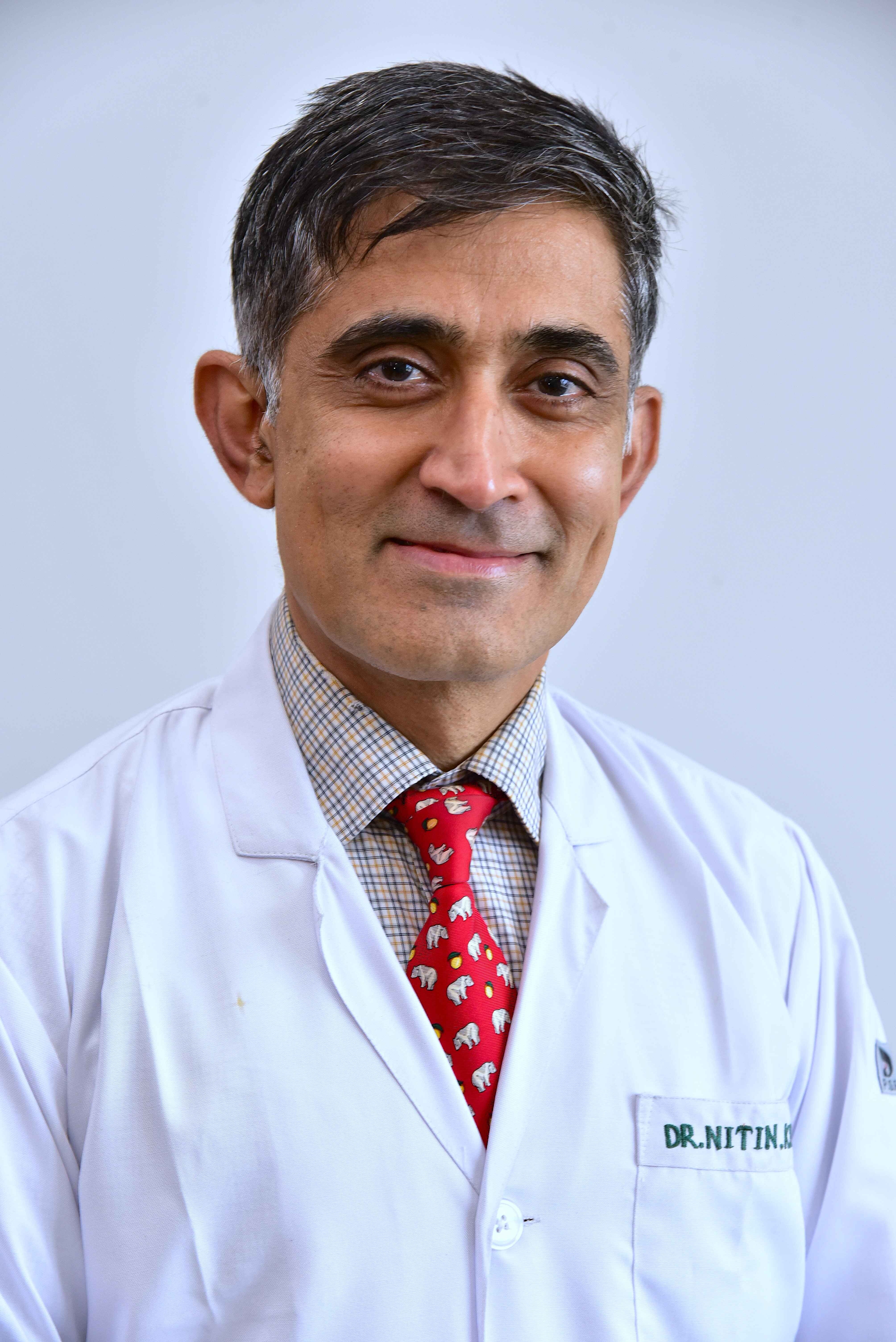
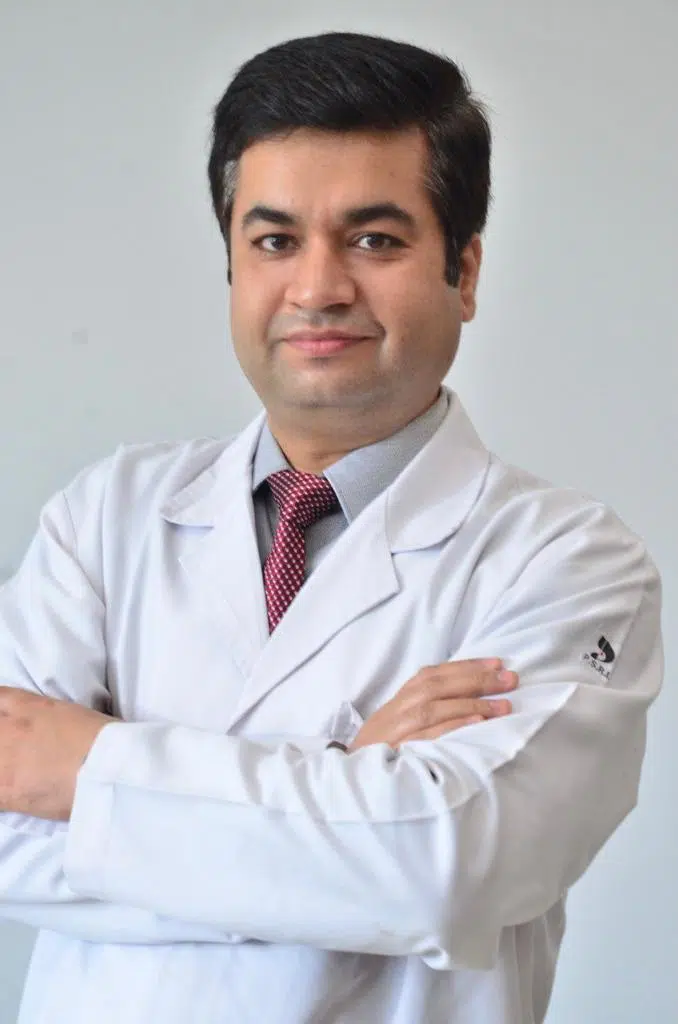
Trust the experts at PSRI Hospital, where our top-rated neurologists and neurosurgeons bring years of surgical precision to Delhi NCR.
Having performed thousands of successful brain, spine, and trauma surgeries, our experience is your assurance of the highest
quality neurological care in Delhi. Meet our best neuro doctors here.
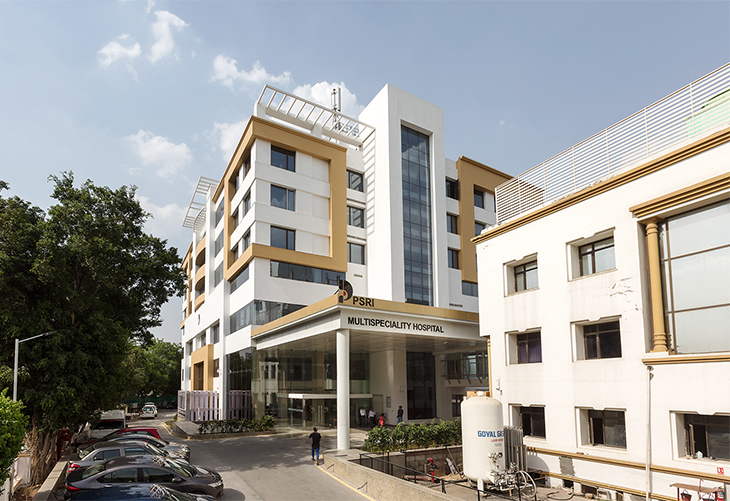
PSRI Hospital was established in the year 1996 as South East Asia’s first and India’s foremost institute providing advanced and comprehensive medical and surgical treatment for digestion-related diseases. Since its inception, many more specialties have been added and presently it is a multi-specialty Hospital.
PSRI Hospital is backed by the JK Group one of the leading business houses in India, PSRI was established to provide curative and preventive medical care through a caring environment.
Our team of highly skilled and experienced doctors in Delhi is committed to delivering the highest level of care by using cutting-edge technology & state of art infrastructure to get the best possible results for our patients.
From diagnosis to treatment, we deliver a wide range of services to address all type of diseases. Our team of expert works together to provide a customized and complete care plan for each patient.
Being the best multispecialty Hospital, our primary focus is to provide patient well-being. Therefore, our doctors takes the time to hear patients concerns, answer their questions and offer expert knowledge and support throughout their journey.
Consult Now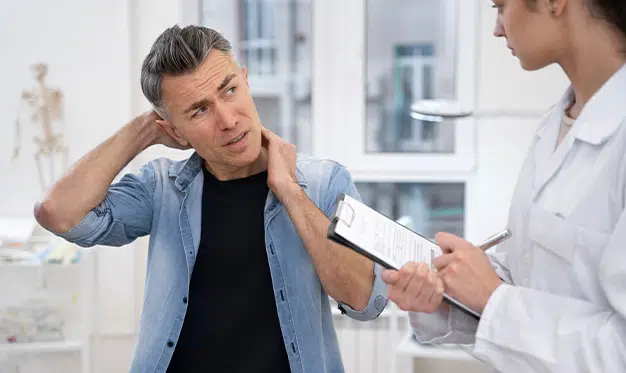


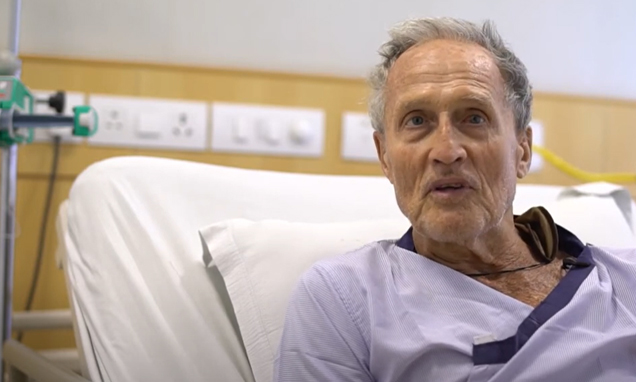
 Patient
Being a fitness and disability trainer, He was diagnosed with osteoporosis after his arthritis worsened and augmented pain even during sleep. At PSRI Hospital's Orthopaedic and Joint Replacement Department, he received dedicated and comprehensive treatment under the observation of Dr Gaurav Bhardwaj through a total hip replacement surgery using minimally invasive technology, which helped him recover from post-operative pain in a single day and be ready for discharge within 2 days itself.
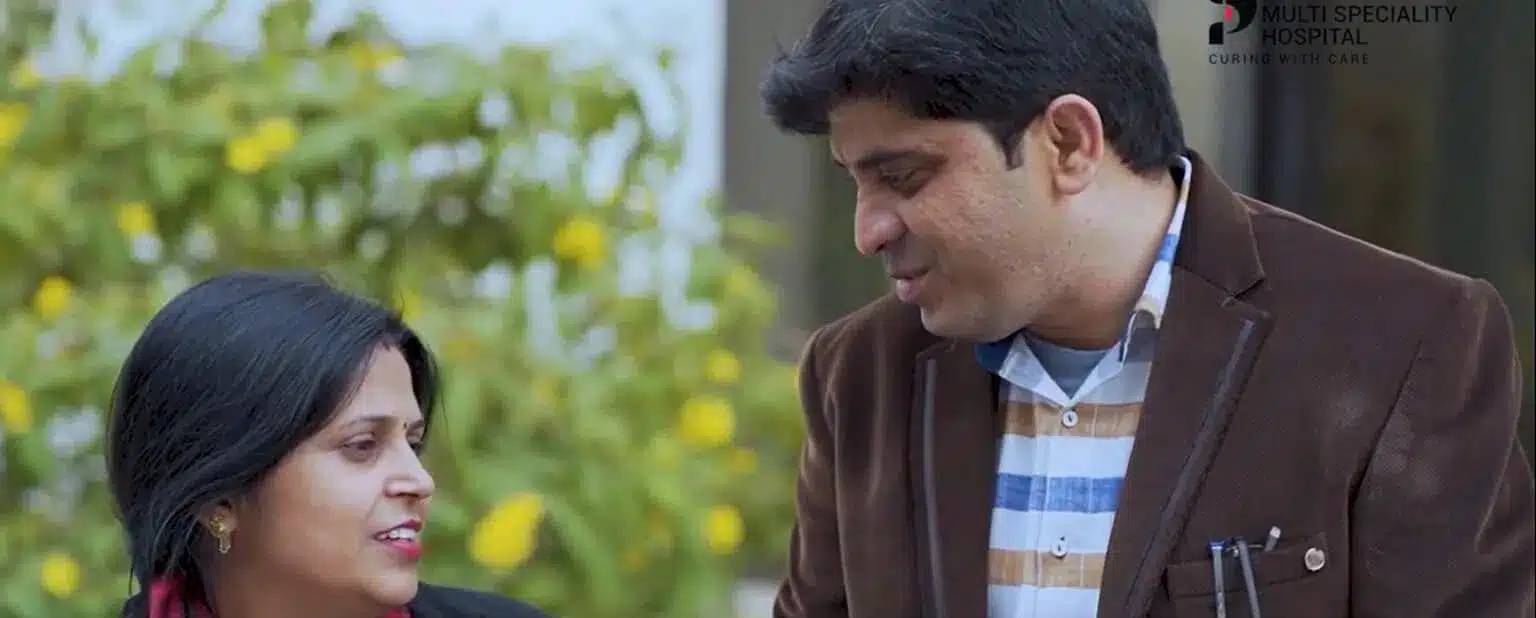 Patient
A kidney exchange, also known as a “kidney swap”, occurs when a living kidney donor is incompatible with the recipient, so exchanges kidneys with another donor. In a rare case, 3 couples swapped kidneys with identical blood groups saving 3 lives. PSRI Hospital, the best hospital in New Delhi, gave hope to 3 patients who did not find a solution to an ailing problem elsewhere. With support from multispeciality departments, the 3 couples are now leading a happy and healthy life.
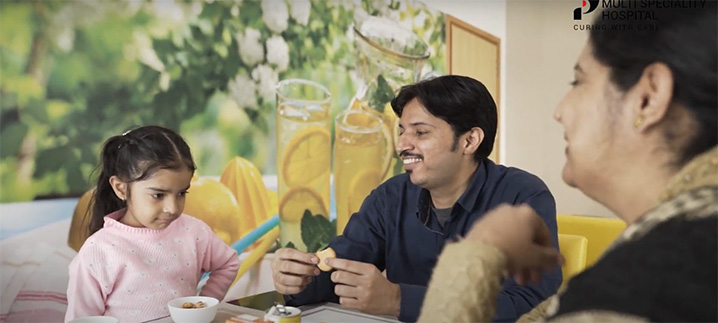 Patient
Jasmeet, a young girl, was born without her left thumb. Her parents were worried about her leading a normal life, so they decided to opt for the reconstruction of her thumb. Dr PP. Kotwal, chairman of orthopaedics and joint replacement at PSRI, a top hospital in Delhi, explains how reconstruction is possible by transposing the index finger, also called 'pollicization'. He explains how a multispeciality hospital aids any surgery with support from a cardiologist, a good anaesthetist, a child specialist and an interventionist during an operation. Watch Jasmeet's inspiring story here.
Stay updated with the latest advancements in healthcare, gain valuable insights from our experts, and discover tips for maintaining a healthy lifestyle. Let us be your trusted source of knowledge on all things related to well-being.
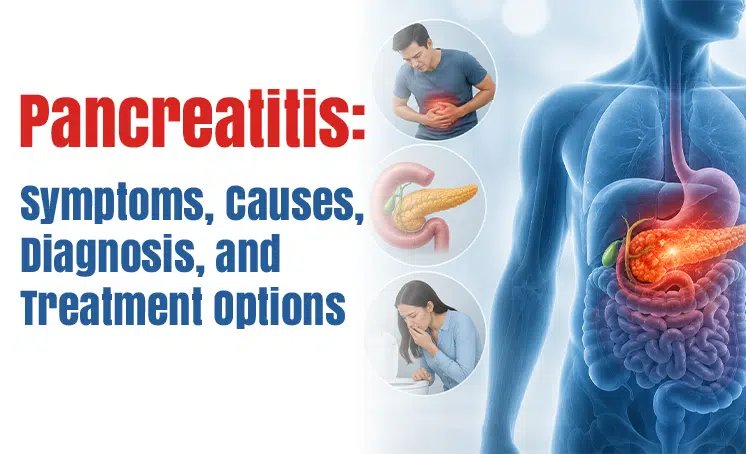
A dull ache after a heavy meal is easy to blame on overeating. Pain turns sharp and sits high in...
Stiff knees in the morning get connected to age more often than they get checked by a doctor....
Right now, more than 2 billion people around the world are living with some kind of vision problem,...

You went for a routine health ultrasound check-up and it comes back with two words that sound...

Monsoon disease starts small. A headache, a bit of a fever, yet nothing serious that is worth a...

An echo report says “leaky valve,” and suddenly stairs feel harder to climb. Mitral...
Your father says the chest pain is just gas. He’s been saying that for two weeks. Your mother...
Your doctor adds an LFT to your annual checkup list. You don’t ask what it tests. You assume...
Your father misplaced his keys again. Then forgot what he went to the kitchen for. Then...
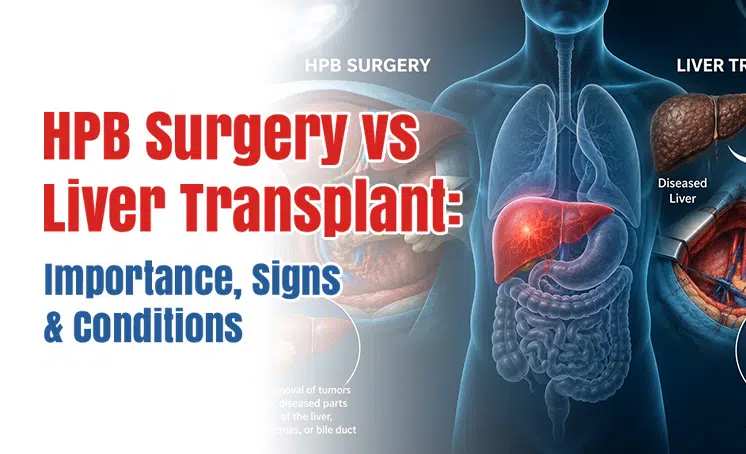
The liver is one of the few organs that can heal itself. But there’s a point where that...

In case of emergency, please contact us directly at 84 84 84 84 17.

 Book An Appointment
 Virtual Consultation
 Get Direction