
Cancers of the prostate, kidney, bladder and the rest of the urinary system require a team that pulls together on day one. PSRI Hospital’s uro-oncology unit brings urologists, medical oncologists and radiation oncologists around one table, reviewing your biopsy and scans before a treatment path is set. A multidisciplinary team of uro-oncologists handles the full spectrum, from localised tumours that respond to surgery to advanced disease needing systemic therapy.
The unit draws on the hospital’s wider cancer hospital infrastructure: NABL-accredited lab diagnostics, a Versius Robotic System for precise minimally invasive surgery, and modular intra-connected operation theatres. Patients pursuing Uro-Oncology in Delhi choose PSRI because the facility ties robotic precision to a tertiary care setup where a cardiologist, a nephrologist and an intensivist are minutes away if a comorbidity complicates the plan. Rapid biopsies, same-day imaging and a 14-bed MICU mean fewer days lost between suspicion and the first definitive step.
A uro-oncology workup at PSRI Hospital begins with a biopsy guided by imaging, not guesswork. The lab report, processed in the hospital's NABL-accredited laboratory, reaches the tumour board within days. Surgeons, medical oncologists and radiation oncologists review it together, plan the sequence, and call you for a consultation that lays out the full pathway. By the time you leave the room you know whether surgery comes first, radiation sits in between, or systemic therapy leads. No fragmented hand-offs, no contradictory advice.
Our uro-oncology department sits inside a best hospital in delhi where a nephrologist can review renal function before a nephrectomy and a cardiac team clears a high-risk surgical candidate. Robotic surgery through the Versius system is available for eligible prostate and kidney cases. The same team follows you through surveillance scans long after the active phase ends.
 New Delhi
Press Enclave Marg, J Pocket, Phase II,
Sheikh Sarai, New Delhi, Delhi 110017


A procedure in uro-oncology is never a standalone event. It is the centrepiece of a sequence. A radical nephrectomy, for example, might follow a few weeks of prehabilitation and be followed by targeted therapy if the pathology report finds high-risk features. The tiles below map the main surgical and interventional procedures the uro-oncology team performs. Every one of them sits inside a wider plan reviewed by the Brain Cancer in Delhi multidisciplinary tumour board before the patient reaches the operating table.
Urological cancers often announce themselves subtly. A trace of blood in the urine, a PSA number that crept up over two years, a dull flank ache that never quite goes away. The conditions below are the diagnoses the team handles most. Each one triggers a different sequence: a small renal mass might mean active surveillance with annual scans, while muscle-invasive bladder cancer puts a radical cystectomy on the table inside a fortnight.
You may need to consult a uro-oncologist the moment a urologist or a general physician finds a mass, a suspicious PSA trend, or blood in the urine without an infection to explain it. Waiting for a symptom to become unbearable before you call costs time that early-stage urological cancers do not give back.

Blood in the urine, visible or microscopic

A rising PSA level over consecutive tests

A persistent flank or back ache on one side

A mass or swelling in the testicle or groin

Unexplained weight loss with urinary changes

Any imaging report showing a renal or bladder mass
A sore on the penis that does not heal
Difficulty passing urine or a weak stream
Recurrent urinary infections without a clear cause
Bone pain paired with a known prostate diagnosis
An abdominal CT picked up an adrenal nodule
A family history of urological or Lynch syndrome cancers
Many of these signs overlap with benign conditions, so a consultation is the only way to be sure. The uro-oncology team at PSRI Hospital begins the workup within a day of your first visit for Uro-Oncology in Delhi.
The uro-oncology team at PSRI Hospital is built as a tumour board, not a collection of solo practitioners. Urologic surgeons, medical oncologists, radiation oncologists, pathologists and radiologists sit together on every new diagnosis. That combined review means a patient with a renal mass is not shuttled between three opinions that pull in different directions. The same core group reviews your follow-up scans at six months, twelve months and two years, so a subtle change does not go unnoticed between hand-offs. For high-risk surgical cases the cardiac and nephrology teams join the board before the first incision.
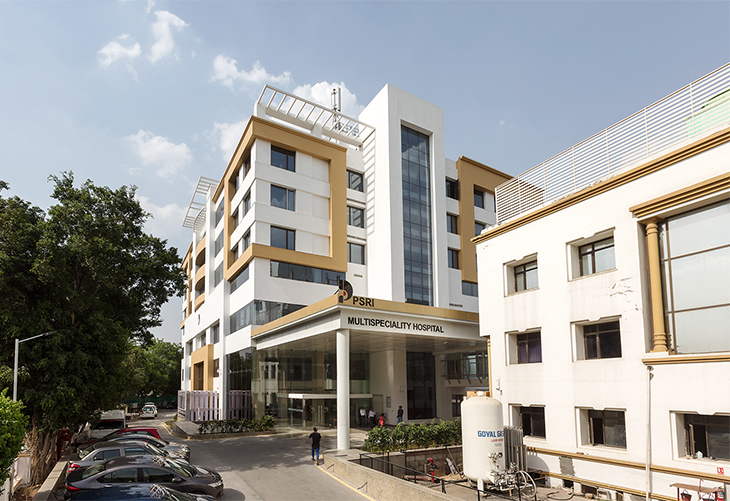
PSRI Hospital was established in the year 1996 as South East Asia’s first and India’s foremost institute providing advanced and comprehensive medical and surgical treatment for digestion-related diseases. Since its inception, many more specialties have been added and presently it is a multi-specialty Hospital.
PSRI Hospital is backed by the JK Group one of the leading business houses in India, PSRI was established to provide curative and preventive medical care through a caring environment.
Our team of highly skilled and experienced doctors in Delhi is committed to delivering the highest level of care by using cutting-edge technology & state of art infrastructure to get the best possible results for our patients.
From diagnosis to treatment, we deliver a wide range of services to address all type of diseases. Our team of expert works together to provide a customized and complete care plan for each patient.
Being the best multispecialty Hospital, our primary focus is to provide patient well-being. Therefore, our doctors takes the time to hear patients concerns, answer their questions and offer expert knowledge and support throughout their journey.
Consult Now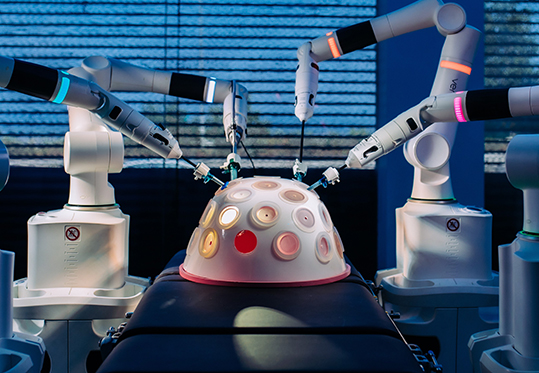
 Patient
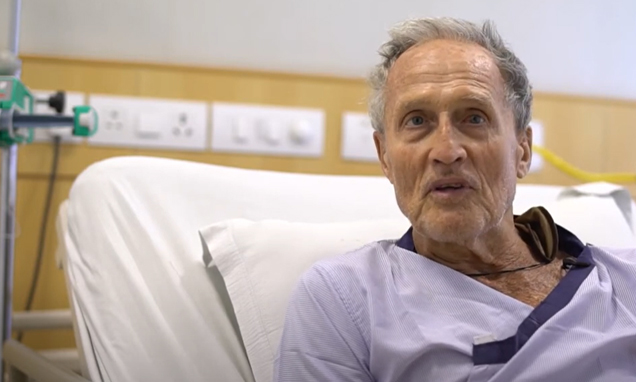
Being a fitness and disability trainer, He was diagnosed with osteoporosis after his arthritis worsened and augmented pain even during sleep. At PSRI Hospital's Orthopaedic and Joint Replacement Department, he received dedicated and comprehensive treatment under the observation of Dr Gaurav Bhardwaj through a total hip replacement surgery using minimally invasive technology, which helped him recover from post-operative pain in a single day and be ready for discharge within 2 days itself.
 Patient
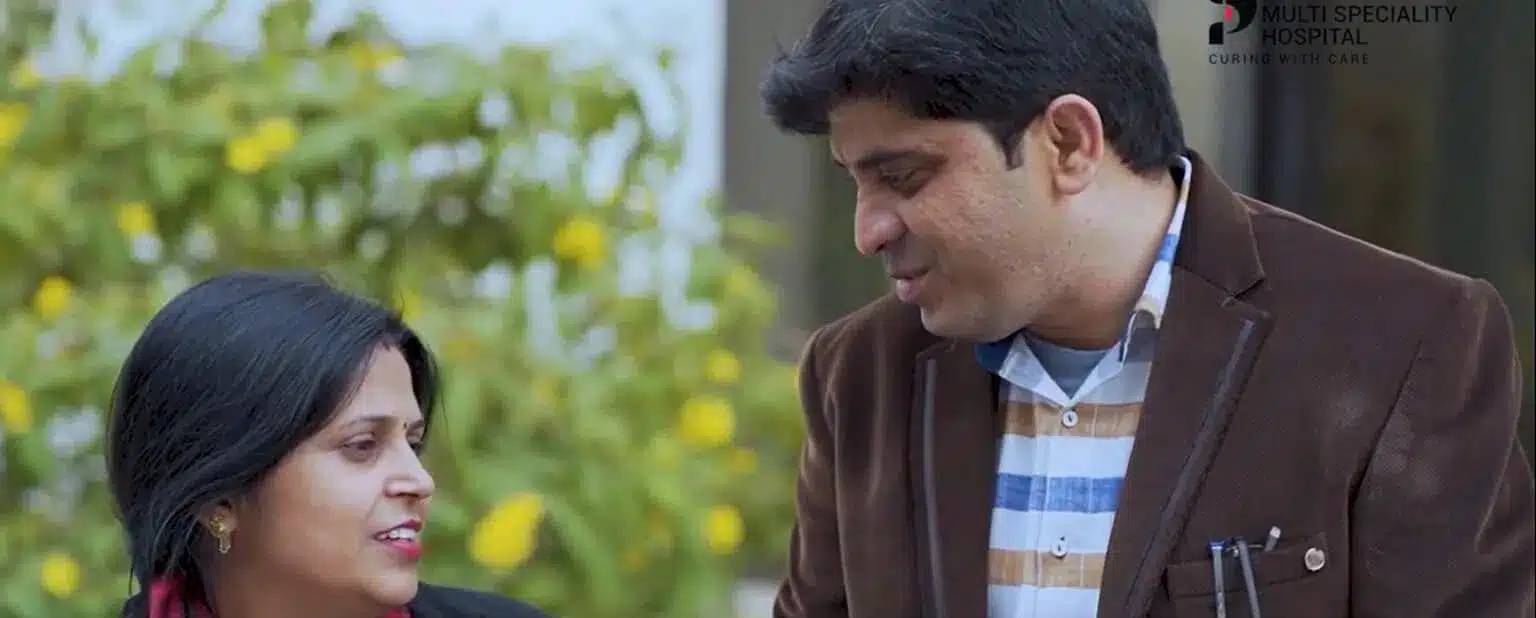
A kidney exchange, also known as a “kidney swap”, occurs when a living kidney donor is incompatible with the recipient, so exchanges kidneys with another donor. In a rare case, 3 couples swapped kidneys with identical blood groups saving 3 lives. PSRI Hospital, the best hospital in New Delhi, gave hope to 3 patients who did not find a solution to an ailing problem elsewhere. With support from multispeciality departments, the 3 couples are now leading a happy and healthy life.
 Patient
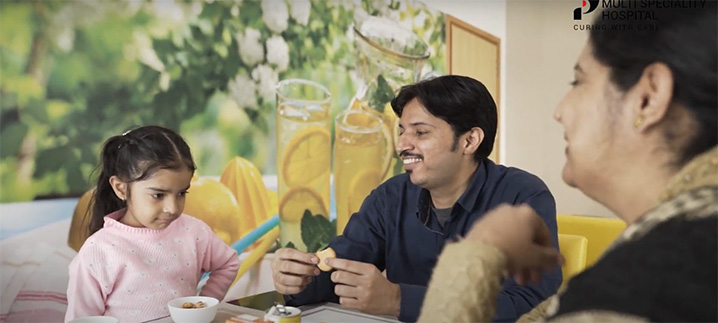
Jasmeet, a young girl, was born without her left thumb. Her parents were worried about her leading a normal life, so they decided to opt for the reconstruction of her thumb. Dr PP. Kotwal, chairman of orthopaedics and joint replacement at PSRI, a top hospital in Delhi, explains how reconstruction is possible by transposing the index finger, also called 'pollicization'. He explains how a multispeciality hospital aids any surgery with support from a cardiologist, a good anaesthetist, a child specialist and an interventionist during an operation. Watch Jasmeet's inspiring story here.
Stay updated with the latest advancements in healthcare, gain valuable insights from our experts, and discover tips for maintaining a healthy lifestyle. Let us be your trusted source of knowledge on all things related to well-being.
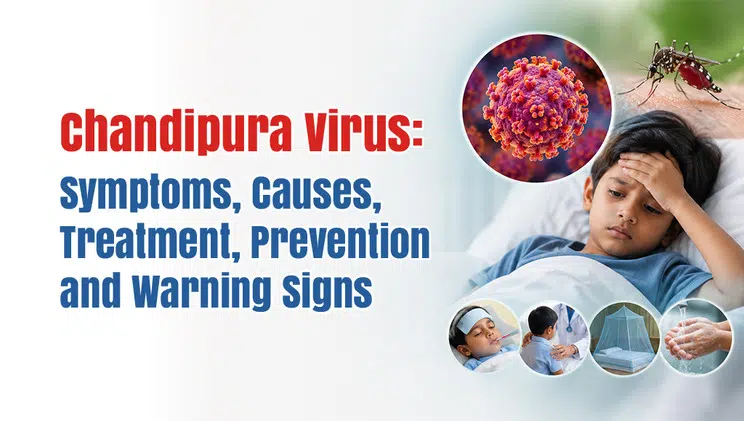
A child with a sudden high fever during monsoon usually means nothing more than a common viral...
Tiredness that won’t lift, a dull ache under the right ribs, skin that looks a shade more...

A scratchy throat on a Monday morning could mean nothing much. It could also be the first sign of...

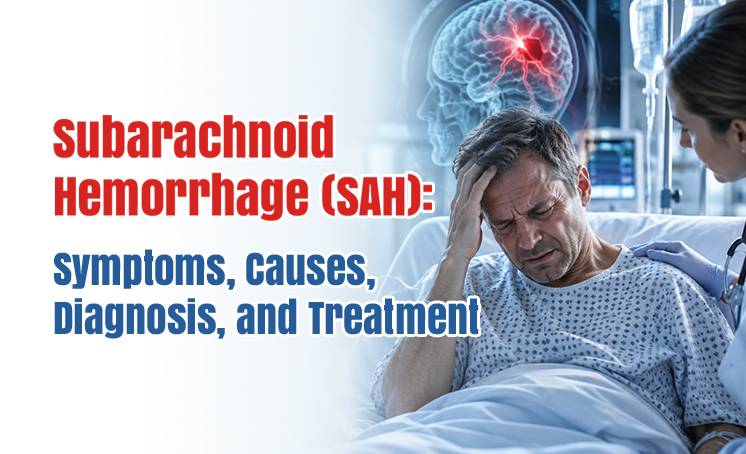
The worst headache of someone’s life doesn’t build up slowly. It usually comes up all...
A fever that won’t break and a cough that won’t quit could be dengue. It could just as...

Lunch tasted fine a few hours ago. Now the stomach’s making its own decisions, cramps that...

Small red bumps after a shave. A sweaty gym session leaves the same mark. Most people call it acne...

A runny nose and a nagging cough show up every monsoon, and it’s never quite clear if this is...

Swallowing shouldn’t hurt this much. That’s usually the thought that sends someone...

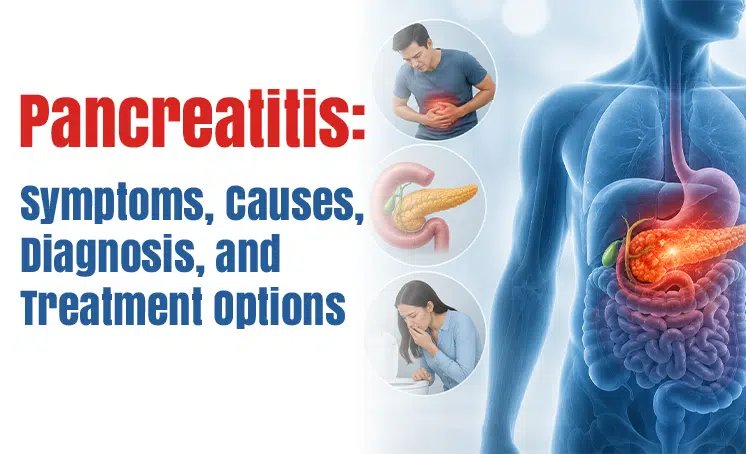
A dull ache after a heavy meal is easy to blame on overeating. Pain turns sharp and sits high in...

In case of emergency, please contact us directly at 84 84 84 84 17.

 Book An Appointment
 Virtual Consultation
 Get Direction