
The oncology and neurosurgery units at PSRI Hospital treat primary and metastatic brain tumours through a combined review of each case before a treatment path is set. A neurosurgeon, medical oncologist, and radiation oncologist sit together for this discussion, examining your scans, your biopsy report, and your general health. Surgery is offered when the tumour is accessible and a safe resection looks possible. Where it is not, the tumour board plans radiation, chemotherapy, or both.
Planning draws on our NABL-accredited 24×7 laboratory for rapid pathology, a multislice CT scanner, and MRI to map the tumour in three dimensions. The Versius Robotic System (CMR) is available for eligible neuro-oncological resections when precision is critical. The entire pathway runs inside one NABH-accredited campus in South Delhi, so patients and families seeking treatment for Brain Cancer in Delhi are spared the strain of travelling between centres for scans, surgery, and follow-ups.
Brain cancer care at PSRI Hospital begins with a precise diagnosis. Our tumour board reviews your MRI, CT, and biopsy before any treatment is recommended, so you get a plan shaped by a neurosurgeon, a medical oncologist, and a radiation oncologist together. From awake craniotomy for tumours near eloquent cortex to chemotherapy regimens matched to tumour genetics, every path is chosen for your specific case. This is the same multidisciplinary approach we use for Blood Cancer in Delhi and all our oncology services.
Treatment is delivered with strict safety protocols inside modular operation theatres. Post-surgical monitoring happens in a dedicated Neuro and Stroke ICU. Radiation planning uses our multislice CT for mapping. Patients who need it can access 24x7 dialysis and a fully stocked in-house pharmacy without leaving the campus. The aim is one record, one team, and no gaps between diagnosis, surgery, and adjuvant therapy.
 New Delhi
Press Enclave Marg, J Pocket, Phase II,
Sheikh Sarai, New Delhi, Delhi 110017


Treatment is planned around your tumour type, its location, how fast it is growing, and your overall health. The sequence matters: some patients go to surgery first, others start with a biopsy, some begin radiation straight away. Your tumour board meeting settles this before anything starts. The procedures below map the main routes care can take at PSRI Hospital.
Brain cancer is not one disease. The behaviour of a pilocytic astrocytoma is nothing like that of a glioblastoma, and the plan must match. Our team handles the full range of primary brain tumours and metastatic disease. The tumour board reviews everything from the lowest-grade incidental findings to the most aggressive recurrences.
You may need to consult a neurosurgeon if a persistent headache changes in pattern, a seizure occurs for the first time in adulthood, or you notice a gradual loss of function on one side of the body without any other explanation. A scan that finds a mass is reason enough for an urgent neurosurgical opinion.

New or changing headaches

Adult-onset seizures

Progressive weakness
Vision or speech loss

Unexplained nausea

Personality changes
Balance difficulties
One-sided numbness
Memory decline
Hearing loss
Confusion episodes
Abnormal scan finding
Many of these symptoms overlap with far less serious conditions. But a scan that picks up a lesion needs a neurosurgeon's review. If you have been told a brain mass is present and you are looking for Brain Cancer in Delhi, call PSRI Hospital on +91 84 84 84 84 17 for a consultation appointment.
Our neuro-oncology team brings together neurosurgeons, medical oncologists, radiation oncologists, neuroradiologists, and neuropathologists in a standing tumour board that meets before any treatment begins. A critical-care team in the dedicated Neuro and Stroke ICU manages the immediate post-operative period. Neuro-rehabilitation specialists step in early to help preserve speech, movement, and cognition. No single specialist decides your plan alone. Every case at our best cancer hospital in delhi campus gets a combined review, and that review is repeated whenever a scan suggests a change.
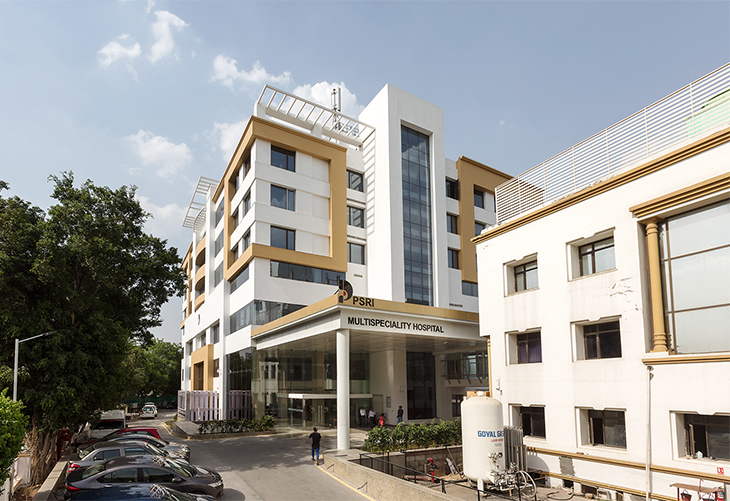
PSRI Hospital was established in the year 1996 as South East Asia’s first and India’s foremost institute providing advanced and comprehensive medical and surgical treatment for digestion-related diseases. Since its inception, many more specialties have been added and presently it is a multi-specialty Hospital.
PSRI Hospital is backed by the JK Group one of the leading business houses in India, PSRI was established to provide curative and preventive medical care through a caring environment.
Our team of highly skilled and experienced doctors in Delhi is committed to delivering the highest level of care by using cutting-edge technology & state of art infrastructure to get the best possible results for our patients.
From diagnosis to treatment, we deliver a wide range of services to address all type of diseases. Our team of expert works together to provide a customized and complete care plan for each patient.
Being the best multispecialty Hospital, our primary focus is to provide patient well-being. Therefore, our doctors takes the time to hear patients concerns, answer their questions and offer expert knowledge and support throughout their journey.
Consult Now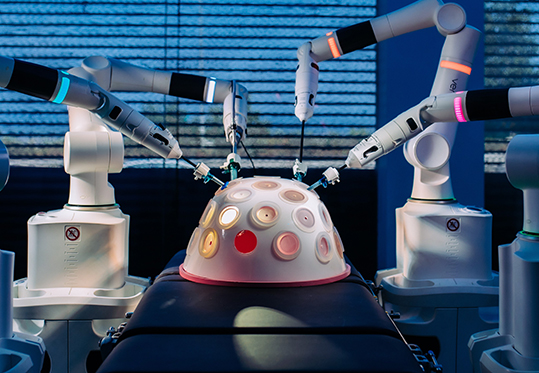
 Patient
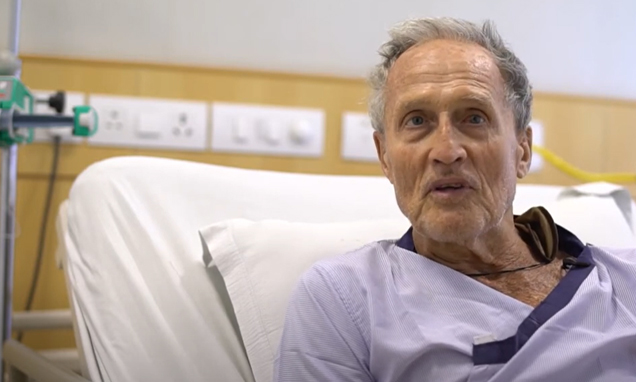
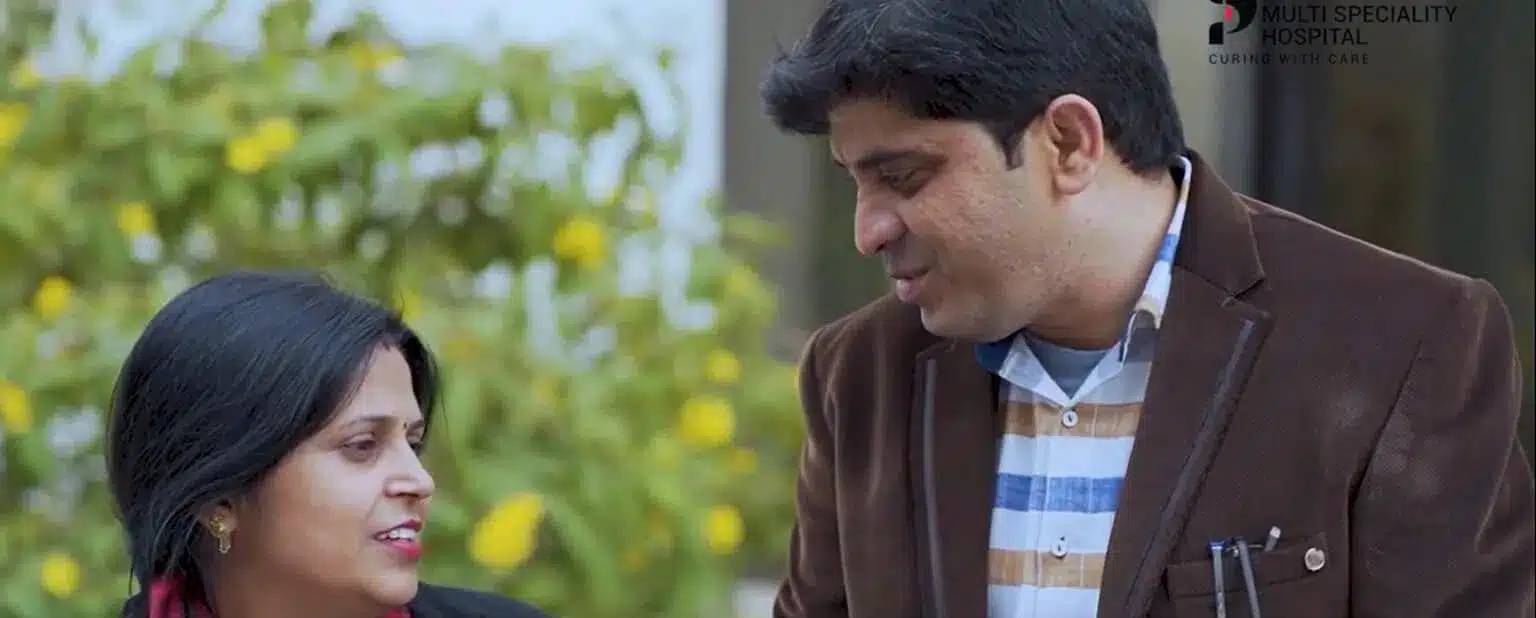
Being a fitness and disability trainer, He was diagnosed with osteoporosis after his arthritis worsened and augmented pain even during sleep. At PSRI Hospital's Orthopaedic and Joint Replacement Department, he received dedicated and comprehensive treatment under the observation of Dr Gaurav Bhardwaj through a total hip replacement surgery using minimally invasive technology, which helped him recover from post-operative pain in a single day and be ready for discharge within 2 days itself.
 Patient
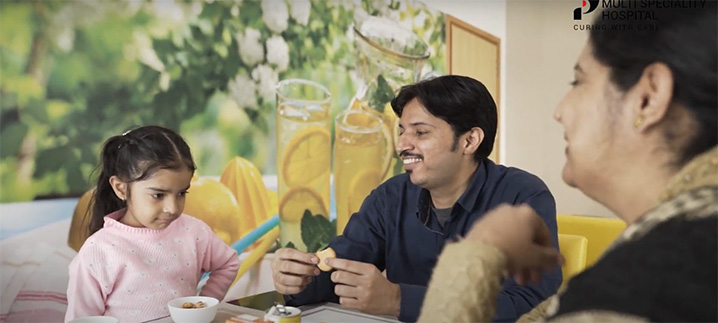
A kidney exchange, also known as a “kidney swap”, occurs when a living kidney donor is incompatible with the recipient, so exchanges kidneys with another donor. In a rare case, 3 couples swapped kidneys with identical blood groups saving 3 lives. PSRI Hospital, the best hospital in New Delhi, gave hope to 3 patients who did not find a solution to an ailing problem elsewhere. With support from multispeciality departments, the 3 couples are now leading a happy and healthy life.
 Patient
Jasmeet, a young girl, was born without her left thumb. Her parents were worried about her leading a normal life, so they decided to opt for the reconstruction of her thumb. Dr PP. Kotwal, chairman of orthopaedics and joint replacement at PSRI, a top hospital in Delhi, explains how reconstruction is possible by transposing the index finger, also called 'pollicization'. He explains how a multispeciality hospital aids any surgery with support from a cardiologist, a good anaesthetist, a child specialist and an interventionist during an operation. Watch Jasmeet's inspiring story here.
Stay updated with the latest advancements in healthcare, gain valuable insights from our experts, and discover tips for maintaining a healthy lifestyle. Let us be your trusted source of knowledge on all things related to well-being.
Tiredness that won’t lift, a dull ache under the right ribs, skin that looks a shade more...

A scratchy throat on a Monday morning could mean nothing much. It could also be the first sign of...

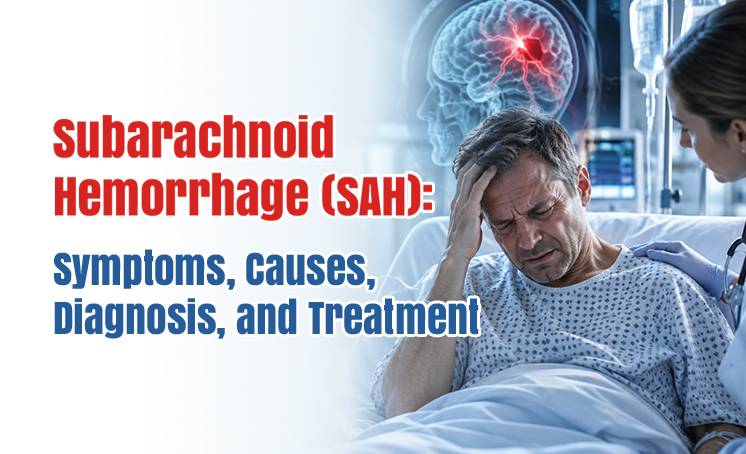
The worst headache of someone’s life doesn’t build up slowly. It usually comes up all...
A fever that won’t break and a cough that won’t quit could be dengue. It could just as...

Lunch tasted fine a few hours ago. Now the stomach’s making its own decisions, cramps that...

Small red bumps after a shave. A sweaty gym session leaves the same mark. Most people call it acne...

A runny nose and a nagging cough show up every monsoon, and it’s never quite clear if this is...

Swallowing shouldn’t hurt this much. That’s usually the thought that sends someone...

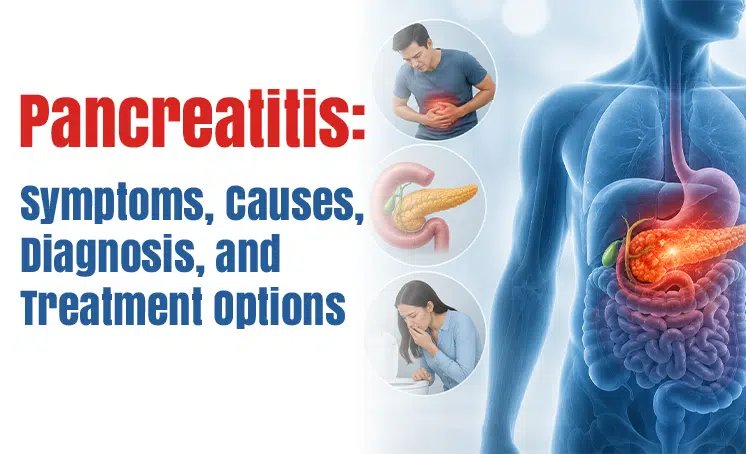
A dull ache after a heavy meal is easy to blame on overeating. Pain turns sharp and sits high in...
Stiff knees in the morning get connected to age more often than they get checked by a doctor....

In case of emergency, please contact us directly at 84 84 84 84 17.

 Book An Appointment
 Virtual Consultation
 Get Direction