
Blood cancer affects the production and function of your blood cells, and it typically falls into three main groups: leukaemia, lymphoma, and myeloma. At PSRI Hospital, our haematologists and medical oncologists work together inside a dedicated oncology department, reviewing each diagnosis through a tumour board before your first treatment cycle is scheduled. That means your chemotherapy, immunotherapy, or transplant plan is built by multiple consultants looking at the same biopsy and imaging, not by one doctor working alone.
The department draws on a NABL-accredited laboratory that runs 24×7, a multislice CT scanner, and an MRI to stage the disease precisely. A 24×7 blood bank and separate intensive care units sit inside the same building on Press Enclave Marg so you do not move between facilities during a critical phase. If you are searching for a reliable path through Blood Cancer in Delhi, the combination of an in-house pharmacy, cashless insurance processing, and on-site emergency support removes some of the logistical strain during a long treatment course.
Blood cancer treatment at PSRI Hospital begins with a confirmed diagnosis from the 24x7 NABL-accredited laboratory, and the oncologist may order a bone marrow aspiration, flow cytometry, or a CT-guided biopsy to identify the exact subtype before any plan is written. From there the haemato-oncology team maps the full course: induction and consolidation chemotherapy, targeted therapy matched to your molecular markers, or a stem cell transplant if the disease profile calls for it. This is Blood Cancer in Delhi managed inside a single institution where the best hospital in delhi for integrated cancer care runs its oncology and transplant units under one roof.
You gain a plan that draws on real multidisciplinary review, where the haematologist, medical oncologist, and transplant physician sit together. The Versius Robotic System supports select surgical biopsies when a node or mass needs sampling. After active treatment, the team schedules regular surveillance, manages late effects, and works with the in-house pharmacy to keep your maintenance medications on a single record. Each patient leaves with a written follow-up calendar, not a verbal instruction.
 New Delhi
Press Enclave Marg, J Pocket, Phase II,
Sheikh Sarai, New Delhi, Delhi 110017


A blood cancer diagnosis sets off a sequence of tests and interventions, and each one answers one specific question: what subtype is present, how far it has spread, and which treatment will work. What follows is the typical pathway PSRI Hospital consultants follow, from the first abnormal blood count through to the transplant decision.
Blood cancers are not one disease, and each subtype behaves differently at the cellular level. The PSRI haemato-oncology unit manages the full spectrum, from acute leukaemias that need immediate admission to indolent lymphomas monitored over years. The underlying cause is often a change in the DNA of a single blood cell, and treatment targets that change where a drug exists to do so.
A blood cancer rarely announces itself with one unmistakable sign. More often it is a cluster of small changes that persist: a bruise that does not fade, a fever that returns without infection, a count on a routine report that the lab flags. When a general physician sees a pattern and cannot explain it, the next call is to a haematologist.

Persistent Fatigue That Rest Does Not Fix

Unexplained Bone or Joint Pain

Frequent or Unexplained Fevers

Easy Bruising or Prolonged Bleeding

Swollen Lymph Nodes That Do Not Settle

Recurrent Infections in a Short Span
Unintended Weight Loss Over Weeks
Night Sweats That Soak the Bedding
Pale Skin and Shortness of Breath
A Feeling of Fullness Under the Left Ribs
Petechiae, or Tiny Red Spots on Skin
Abnormal Blood Count on a Routine Test
A single symptom on this list is usually something more common, and a good general physician will rule those out first. When two or three of these signs appear together and persist, a haematologist can order the specific blood and marrow tests that confirm or exclude a diagnosis. A consultation for Blood Cancer in Delhi at PSRI Hospital does not commit you to a treatment; it commits you to an answer. Phone +91 84 84 84 84 17 to schedule one.
Our haemato-oncology team brings together haematologists, medical oncologists, and transplant physicians who review every new blood cancer diagnosis at a joint tumour board before the first line of treatment is written. A pathologist from the NABL-accredited laboratory presents the marrow and molecular findings, and the group decides on induction, targeted therapy, or a transplant pathway as one unit. For a patient, that means the plan you sit down to hear is already the combined view of the specialists who would be involved in your care.
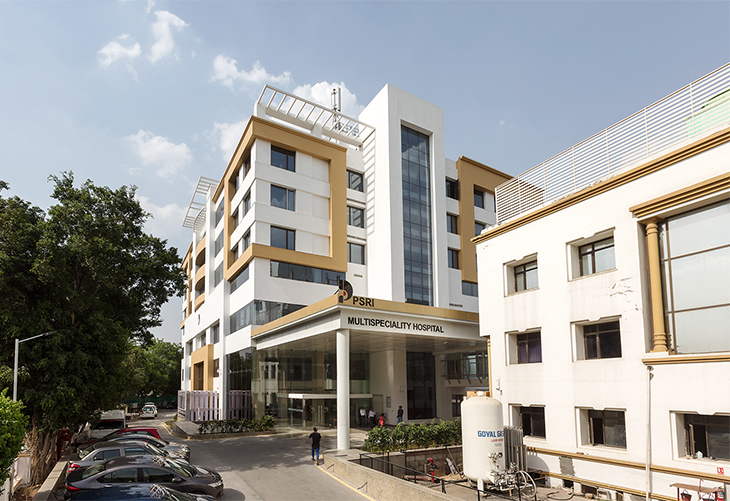
PSRI Hospital was established in the year 1996 as South East Asia’s first and India’s foremost institute providing advanced and comprehensive medical and surgical treatment for digestion-related diseases. Since its inception, many more specialties have been added and presently it is a multi-specialty Hospital.
PSRI Hospital is backed by the JK Group one of the leading business houses in India, PSRI was established to provide curative and preventive medical care through a caring environment.
Our team of highly skilled and experienced doctors in Delhi is committed to delivering the highest level of care by using cutting-edge technology & state of art infrastructure to get the best possible results for our patients.
From diagnosis to treatment, we deliver a wide range of services to address all type of diseases. Our team of expert works together to provide a customized and complete care plan for each patient.
Being the best multispecialty Hospital, our primary focus is to provide patient well-being. Therefore, our doctors takes the time to hear patients concerns, answer their questions and offer expert knowledge and support throughout their journey.
Consult Now
 Patient
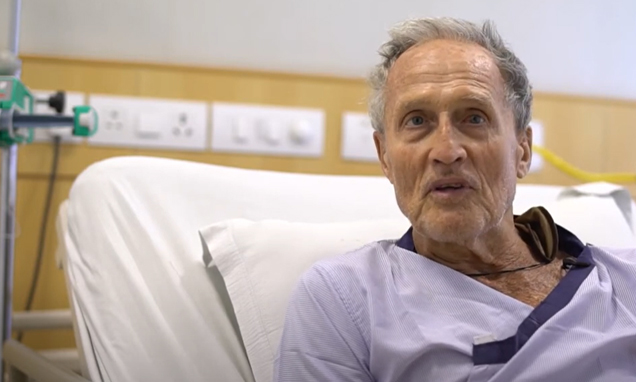
Being a fitness and disability trainer, He was diagnosed with osteoporosis after his arthritis worsened and augmented pain even during sleep. At PSRI Hospital's Orthopaedic and Joint Replacement Department, he received dedicated and comprehensive treatment under the observation of Dr Gaurav Bhardwaj through a total hip replacement surgery using minimally invasive technology, which helped him recover from post-operative pain in a single day and be ready for discharge within 2 days itself.
 Patient
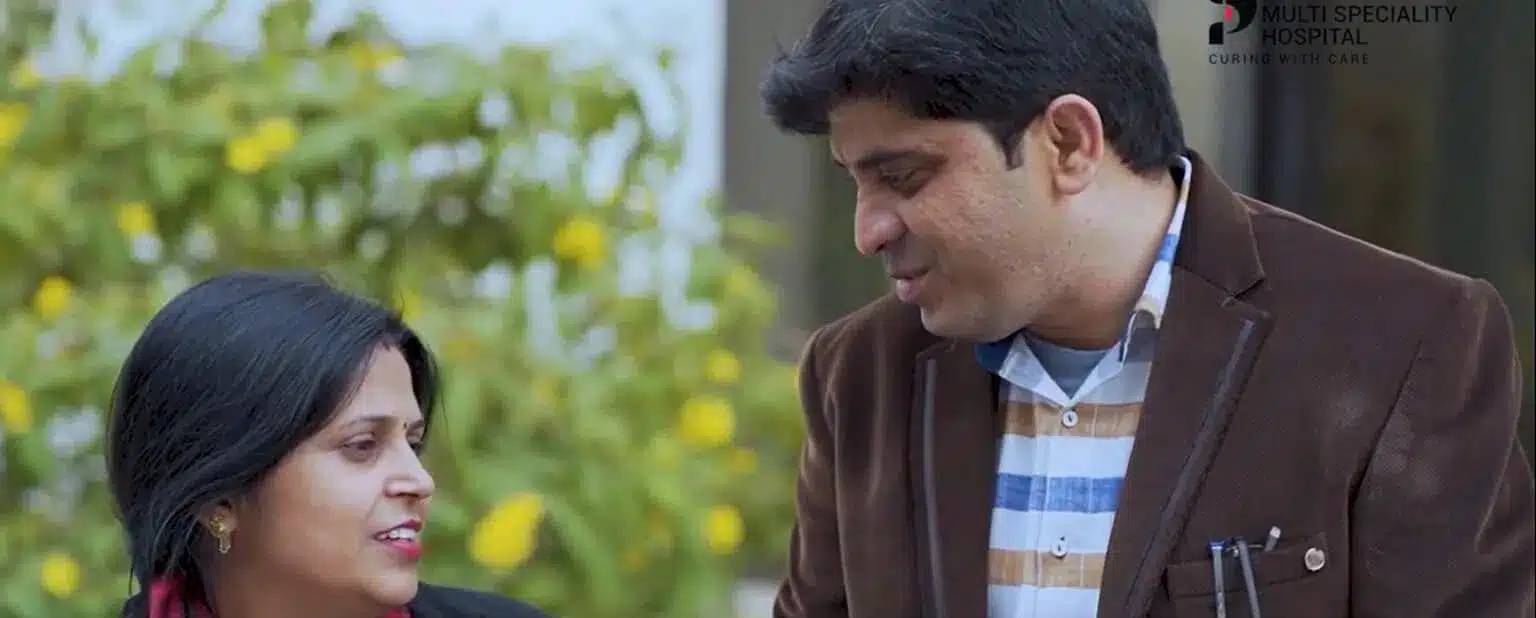
A kidney exchange, also known as a “kidney swap”, occurs when a living kidney donor is incompatible with the recipient, so exchanges kidneys with another donor. In a rare case, 3 couples swapped kidneys with identical blood groups saving 3 lives. PSRI Hospital, the best hospital in New Delhi, gave hope to 3 patients who did not find a solution to an ailing problem elsewhere. With support from multispeciality departments, the 3 couples are now leading a happy and healthy life.
 Patient
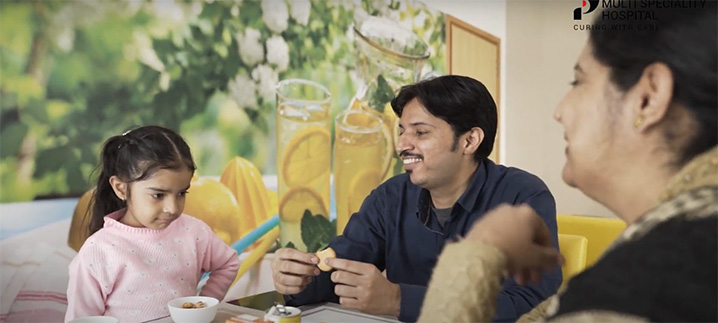
Jasmeet, a young girl, was born without her left thumb. Her parents were worried about her leading a normal life, so they decided to opt for the reconstruction of her thumb. Dr PP. Kotwal, chairman of orthopaedics and joint replacement at PSRI, a top hospital in Delhi, explains how reconstruction is possible by transposing the index finger, also called 'pollicization'. He explains how a multispeciality hospital aids any surgery with support from a cardiologist, a good anaesthetist, a child specialist and an interventionist during an operation. Watch Jasmeet's inspiring story here.
Stay updated with the latest advancements in healthcare, gain valuable insights from our experts, and discover tips for maintaining a healthy lifestyle. Let us be your trusted source of knowledge on all things related to well-being.
Learn how to reduce bloating quickly with 7 practical remedies. Discover why a post-meal walk,...

A gastrologist near me is a specialist in digestive health. Learn what 15+ conditions they treat,...
Your family member has leukemia. Chemotherapy started months ago. The cancer kept coming back. Now...

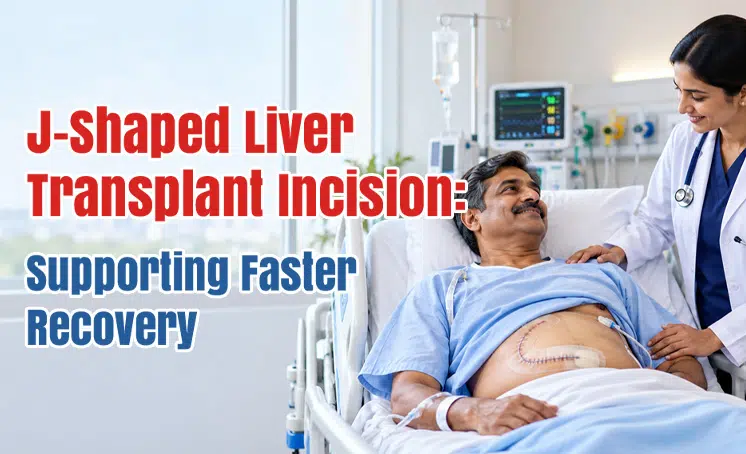
Your surgeon has recommended a liver transplant. The word “incision” comes up. You...
A stiff shoulder after a long day gets blamed on sleeping wrong more often than it gets checked...

A child with a sudden high fever during monsoon usually means nothing more than a common viral...
Tiredness that won’t lift, a dull ache under the right ribs, skin that looks a shade more...
A scratchy throat on a Monday morning could mean nothing much. It could also be the first sign of...

The worst headache of someone’s life doesn’t build up slowly. It usually comes up all...
A fever that won’t break and a cough that won’t quit could be dengue. It could just as...

In case of emergency, please contact us directly at 84 84 84 84 17.

 Book An Appointment
 Virtual Consultation
 Get Direction