
A spinal fracture is a break in one or more of the vertebrae, often caused by trauma, a fall, or weakened bones from osteoporosis. At PSRI Hospital, our orthopaedic spine surgeons and neurosurgeons collaborate to stabilise the injury, relieve pressure on the spinal cord, and restore the spine’s alignment. The team assesses whether a case needs bracing or surgery, and every decision is informed by the scans we take on the day you arrive. For anyone searching for Spinal Fracture Treatment in Delhi, the priority is getting an accurate diagnosis fast because an untreated fracture can shift and damage nearby nerves.
The Versius Robotic System and intra-connected modular OTs support precise, minimally invasive spinal work when that is the right option. A NABL-accredited lab runs the necessary blood work, and the in-house 24×7 blood bank and BRAIN TUMOUR TREATMENT IN DELHI protocols for neurological intactness mean all the disciplines that back spinal trauma are under one roof. With fully equipped ICUs and 24-hour emergency access, a patient in Delhi can go from scan to stabilised in hours, not days.
A spine fracture is not a single injury. The stable wedge fracture from a low-energy fall needs a different plan than the burst fracture that sends bone fragments toward the spinal cord. PSRI Hospital's orthopaedic and neurosurgery teams map that difference on imaging before a single treatment decision is made. For patients needing definitive Spinal Fracture Treatment in Delhi, the hospital covers the full continuum from bracing and medical management to minimally invasive fixation, open decompression and fusion, and postoperative rehabilitation.
Care begins with a detailed neurological examination and high-resolution CT or MRI. A tumour board-style spine conference reviews complex fractures, and the surgeon walks you through the fixation method, the expected hospital stay and the stepwise return to sitting and walking. Discharge planning covers pain management, physiotherapy milestones and follow-up scans. The aim is to get you mobile as early as it is safe.
 New Delhi
Press Enclave Marg, J Pocket, Phase II,
Sheikh Sarai, New Delhi, Delhi 110017


Procedure selection turns on the fracture pattern, the degree of spinal canal compromise and the patient's bone quality. A simple compression fracture in an older adult with osteoporosis is often managed with cement injection without a large incision. A high-velocity comminuted fracture with nerve injury, however, requires open reduction, internal fixation and often decompression. The list below covers the core techniques the surgical team uses, each chosen after the fracture is classified on CT.
Not every back blow breaks a vertebra, but certain conditions make a fracture much more likely even with minor force. Osteoporosis tops that list. Traumatic events such as a two-wheeler fall on Delhi's arterial roads, a construction-site accident, or a sports collision account for most high-energy injuries. Recognising what puts a spine at risk helps patients and families understand why a particular treatment was chosen and how re-fracture is prevented.
You may need to consult a spine surgeon after trauma if back pain does not ease with rest, or if any numbness, tingling or weakness travels into an arm or leg.

Midline Back Pain After a Fall

Pain Worsens with Sitting or Standing

Numbness in Legs or Groin

Loss of Bladder or Bowel Control

Visible Hunch or Deformity

Fever with Spine Pain
History of Cancer with New Back Pain
Weakness Gripping Objects
Shooting Pain Down the Arm
Inability to Walk or Bear Weight
Age Over 50 with Sudden Back Spasm
Sensory Loss in a Limb
A fracture that compresses the cord is time-sensitive. At PSRI Hospital, the 24x7 emergency department and dedicated trauma theatres get you imaged and reviewed the same day for Spinal Fracture Treatment in Delhi, because the window for reversing a neurological deficit is measured in hours.
Our spine service draws from orthopaedic spine surgeons, neurosurgeons, interventional radiologists and physical medicine specialists who review every fracture case together. That combined review covers the bone injury and any nerve involvement. A patient gets one coordinated plan that sets out the fixation method, the hospital stay and the milestones for standing, walking and discharge.
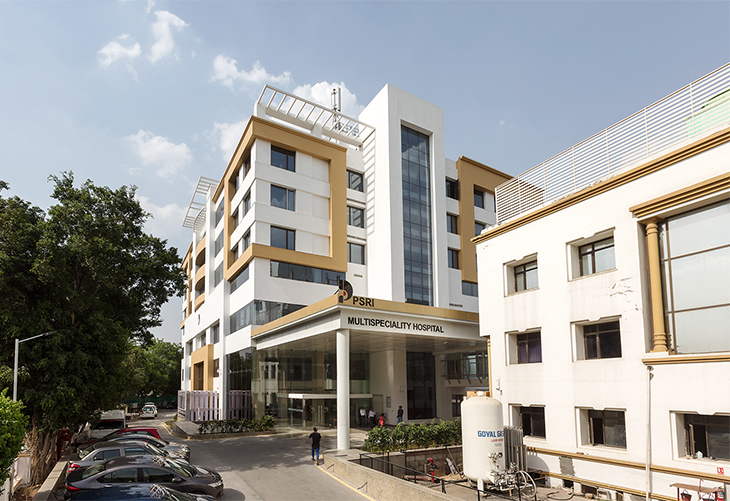
PSRI Hospital was established in the year 1996 as South East Asia’s first and India’s foremost institute providing advanced and comprehensive medical and surgical treatment for digestion-related diseases. Since its inception, many more specialties have been added and presently it is a multi-specialty Hospital.
PSRI Hospital is backed by the JK Group one of the leading business houses in India, PSRI was established to provide curative and preventive medical care through a caring environment.
Our team of highly skilled and experienced doctors in Delhi is committed to delivering the highest level of care by using cutting-edge technology & state of art infrastructure to get the best possible results for our patients.
From diagnosis to treatment, we deliver a wide range of services to address all type of diseases. Our team of expert works together to provide a customized and complete care plan for each patient.
Being the best multispecialty Hospital, our primary focus is to provide patient well-being. Therefore, our doctors takes the time to hear patients concerns, answer their questions and offer expert knowledge and support throughout their journey.
Consult Now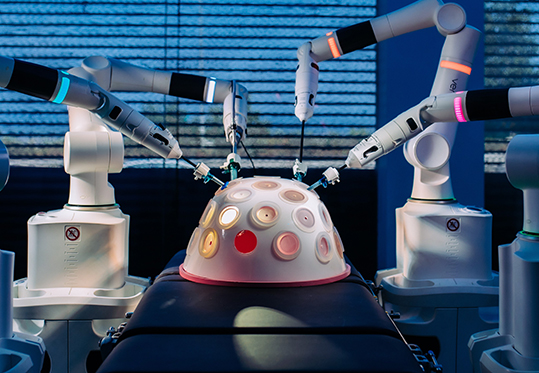
 Patient
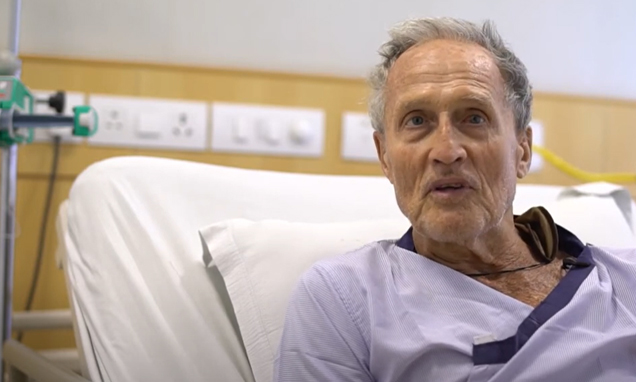
Being a fitness and disability trainer, He was diagnosed with osteoporosis after his arthritis worsened and augmented pain even during sleep. At PSRI Hospital's Orthopaedic and Joint Replacement Department, he received dedicated and comprehensive treatment under the observation of Dr Gaurav Bhardwaj through a total hip replacement surgery using minimally invasive technology, which helped him recover from post-operative pain in a single day and be ready for discharge within 2 days itself.
 Patient
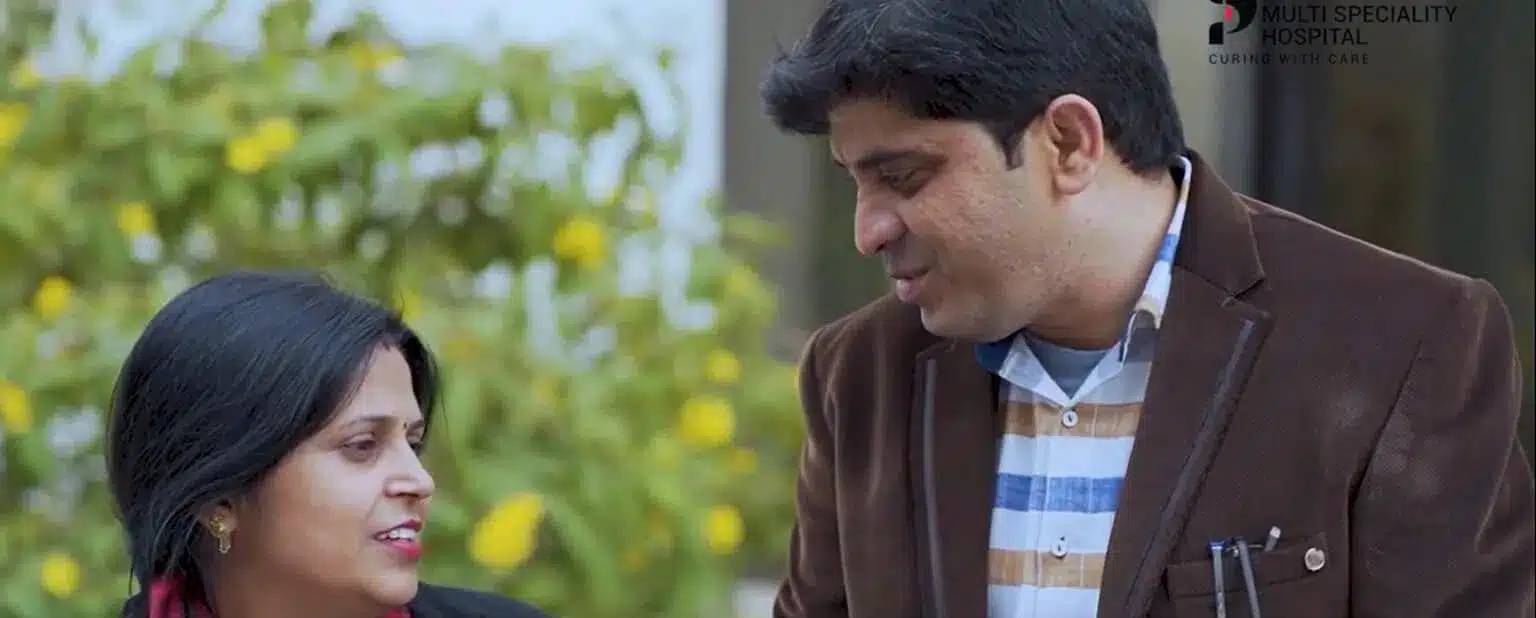
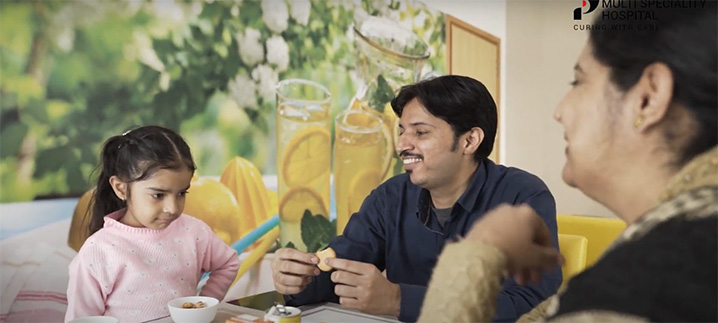
A kidney exchange, also known as a “kidney swap”, occurs when a living kidney donor is incompatible with the recipient, so exchanges kidneys with another donor. In a rare case, 3 couples swapped kidneys with identical blood groups saving 3 lives. PSRI Hospital, the best hospital in New Delhi, gave hope to 3 patients who did not find a solution to an ailing problem elsewhere. With support from multispeciality departments, the 3 couples are now leading a happy and healthy life.
 Patient
Jasmeet, a young girl, was born without her left thumb. Her parents were worried about her leading a normal life, so they decided to opt for the reconstruction of her thumb. Dr PP. Kotwal, chairman of orthopaedics and joint replacement at PSRI, a top hospital in Delhi, explains how reconstruction is possible by transposing the index finger, also called 'pollicization'. He explains how a multispeciality hospital aids any surgery with support from a cardiologist, a good anaesthetist, a child specialist and an interventionist during an operation. Watch Jasmeet's inspiring story here.
Stay updated with the latest advancements in healthcare, gain valuable insights from our experts, and discover tips for maintaining a healthy lifestyle. Let us be your trusted source of knowledge on all things related to well-being.
Signs of paralysis can appear suddenly or gradually. Learn what weakness, numbness and lost...
is fatty liver dangerous? Learn when fat becomes liver damage, warning signs, risk stages and what...

Learn how to reduce bloating quickly with 7 practical remedies. Discover why a post-meal walk,...

A gastrologist near me is a specialist in digestive health. Learn what 15+ conditions they treat,...
Your family member has leukemia. Chemotherapy started months ago. The cancer kept coming back. Now...

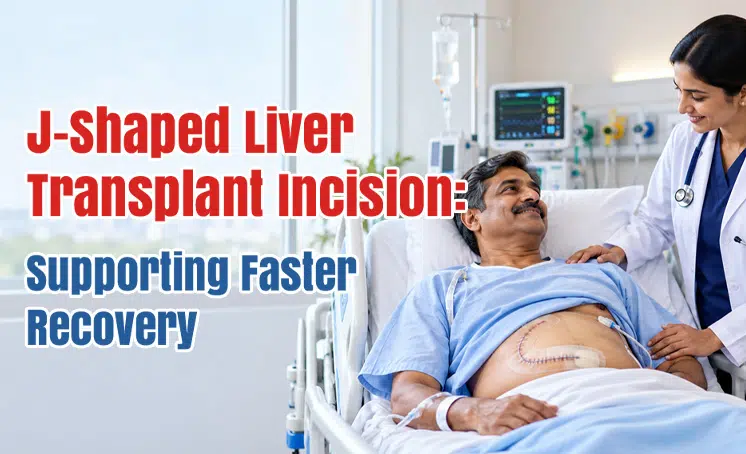
Your surgeon has recommended a liver transplant. The word “incision” comes up. You...
A stiff shoulder after a long day gets blamed on sleeping wrong more often than it gets checked...
A child with a sudden high fever during monsoon usually means nothing more than a common viral...
Tiredness that won’t lift, a dull ache under the right ribs, skin that looks a shade more...

A scratchy throat on a Monday morning could mean nothing much. It could also be the first sign of...


In case of emergency, please contact us directly at 84 84 84 84 17.

 Book An Appointment
 Virtual Consultation
 Get Direction