Book An Appointment
 Virtual Consultation

How to Remove Dark Spots Caused by Pimples Without Irritating Skin

FACT CHECKED
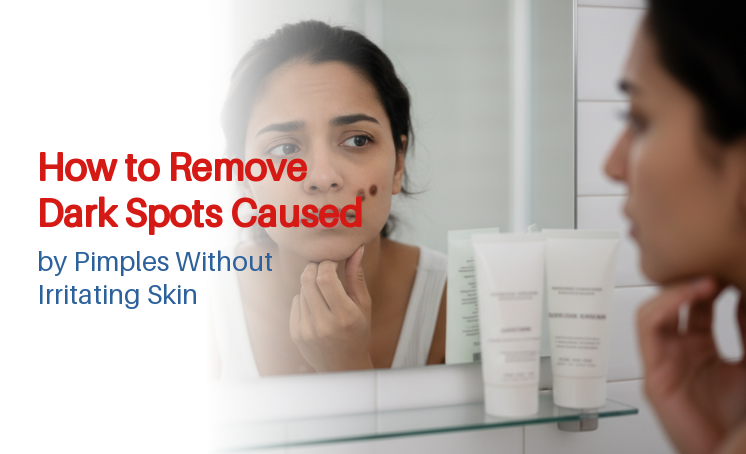
Remove dark spots caused by pimples carefully, because harsh scrubbing can deepen irritation and leave marks longer. These flat brown or grey patches often appear after acne inflammation settles, rather than from an active infection. The safest starting plan is daily broad-spectrum sunscreen, gentle cleansing, regular moisturising, and hands-off care while new pimples heal. Ingredients such as vitamin C, retinol, or salicylic acid may suit some people, but they can irritate sensitive skin and need careful use. PSRI hospital advises readers to seek a qualified healthcare professional when marks persist, change, or appear with ongoing acne. This guide explains how to tell a flat mark from a deeper scar, which home steps are reasonable, what to avoid, and when a dermatology consultation can make the next step clearer.
Key takeaways
- Flat post-acne marks differ from indented or raised scars and need different advice.
- Daily sunscreen helps stop existing marks from becoming darker while skin heals.
- Picking pimples, harsh scrubs, and overusing acids can increase inflammation and pigmentation.
- Persistent marks or ongoing acne deserve assessment by a qualified healthcare professional.
What causes dark spots after pimples?
Dark spots after pimples usually result from post-inflammatory hyperpigmentation, where inflammation during healing prompts extra melanin in the skin. The mark is flat, unlike an indented or raised acne scar. It can fade slowly, sometimes over months or years, especially when new breakouts keep causing inflammation.
Skin colour also affects how noticeable these patches appear. A recent pimple, squeezing, or repeated rubbing can prolong the inflammatory cycle. The safest first step is to stop creating new irritation while you protect the area from sunlight.
| What you see | What it may suggest |
|---|---|
| Flat brown or grey patch | Post-inflammatory hyperpigmentation after a pimple |
| Indented area | A deeper acne scar that may need specialist assessment |
| Raised or firm area | Scar tissue rather than a flat dark mark |
People often search for how to remove dark spots on face, but the right approach depends on whether the change is pigment, texture, or active acne.
How can sunscreen and gentle care fade the appearance?
Daily sunscreen and gentle skin care are the foundation for fading post-pimple marks without adding new irritation. Choose sunscreen labelled SPF 30 or higher, apply it each morning, and reapply according to the product directions when you are outdoors.
Sun exposure can make dark marks look deeper and slow visible improvement. Use a gentle cleanser, avoid rough cloths, and moisturise daily. A healthy skin barrier is less likely to sting when you introduce a treatment ingredient.
- Cleanse gently without scrubbing the mark.
- Apply moisturiser after cleansing to reduce dryness and irritation.
- Use sunscreen every morning, including on days when you expect brief outdoor exposure.
- Keep hands away from healing pimples instead of squeezing or scratching them.
Evidence-based skin care guidance supports gentle cleansing and regular skin-barrier care for acne-prone skin, including skin of colour, as described in National Institutes of Health guidance on acne in skin of colour.
Which ingredients may help, and how should you use them?
Vitamin C, retinol, and salicylic acid may help improve the appearance of dark marks for some people, but each can irritate skin when used too often or combined carelessly. Introduce only one new product at a time and stop if burning, swelling, or a worsening rash develops.
Vitamin C
Vitamin C is commonly used in products for uneven skin tone. Apply it as directed by the product label, preferably after a patch test. It does not replace sunscreen, and it may not suit highly reactive skin.
Retinol
Retinol can irritate skin and make sun protection especially important. Avoid starting it on already peeling or inflamed skin. Pregnant people should ask a qualified healthcare professional before using retinoid products.
Salicylic acid
Salicylic acid is used in some acne products and can help clear dead skin and blocked pores. Start cautiously, because repeated exfoliation can worsen inflammation and pigmentation.
A product that removes dead skin cells is not automatically suitable for daily use. Lemon juice, undiluted vinegar, abrasive scrubs, and repeated peeling can irritate the skin instead of clearing the mark.
| Option | What to check |
|---|---|
| Vitamin C | Patch test first and follow the product directions |
| Retinol | Use cautiously and maintain consistent sunscreen use |
| Salicylic acid | Avoid overuse when skin is dry, sore, or peeling |
| Home remedies | Skip acidic or abrasive ingredients that trigger stinging |
How do you prevent new pimples from leaving more marks?
Preventing fresh inflammation is as important as treating an old mark, because every new pimple can create another patch. Do not pop, squeeze, or scratch lesions. Manipulation increases inflammation and can raise the risk of scarring, as explained in Cleveland Clinic advice on handling pimples.
Use the acne routine recommended for your skin rather than adding several strong products together. If breakouts are frequent, painful, or leaving repeated marks, book a dermatology consultation. Early acne care can reduce the cycle of inflammation and pigmentation.
Health conditions can affect skin care decisions. If you are also learning how to manage diabetes, mention your skin changes and current products during a medical appointment instead of changing treatment based on internet advice.
When should a dermatologist assess dark spots?
A dermatologist should assess dark spots that persist, spread, change in character, or appear alongside worsening acne. Assessment can distinguish pigmentation from an acne scar, irritation, infection, or another skin condition that needs a different plan.
Take a list of products you use, including cleansers, creams, exfoliants, and sunscreen. Note when the marks began, whether new pimples continue, and whether any product causes burning or peeling. These details help the clinician decide what to stop, continue, or introduce.
PSRI hospital has Centres of Excellence across several specialties and a 24×7 emergency department, but non-urgent acne marks generally call for a planned consultation. Its NABL-accredited laboratory operates 24×7, and its in-house pharmacy can support prescribed care when a clinician recommends it. Consult a qualified healthcare professional for medical decisions.
Readers comparing unrelated health topics may encounter Types Of Hearing Aids And How To Choose the Right One, but hearing devices do not treat post-pimple pigmentation. Choose information that matches the skin problem being assessed.
Dark spots after pimples are often flat areas of post-inflammatory hyperpigmentation, not permanent scars. Daily SPF 30 or higher sunscreen, gentle cleansing, moisturising, and avoiding picking can reduce further irritation. Vitamin C, retinol, or salicylic acid may suit some people, but overuse can worsen dryness and pigmentation. If marks persist, change, or appear with frequent acne, contact PSRI hospital to arrange a qualified healthcare consultation. Bring your current product list and explain when the marks began. Consult a qualified healthcare professional for medical decisions.
FAQs
How long do dark spots from pimples take to fade?
Dark spots from pimples may fade over months or years. Continued acne, picking, irritation, and sun exposure can make them last longer or look darker.
Does sunscreen help post-pimple dark spots?
Sunscreen with SPF 30 or higher helps prevent post-pimple dark spots from becoming darker. Apply it daily and follow the product directions for reapplication outdoors.
Can I use lemon juice to remove acne marks?
Lemon juice can irritate skin and may worsen inflammation or pigmentation. Avoid applying acidic kitchen ingredients to dark spots unless a qualified healthcare professional advises you.
Should I pop pimples if they leave dark spots?
You should not pop pimples to prevent dark spots. Squeezing can increase inflammation, introduce bacteria, and raise the risk of pigmentation or scarring.
When should I see a dermatologist for acne marks?
See a dermatologist when marks persist, change, spread, or occur with frequent, painful, or worsening acne. A clinician can distinguish flat pigmentation from a deeper scar or another skin condition.