
High LDL or triglycerides that do not respond to diet alone need a structured medical plan, and that is where our lipid specialists and cardiologists step in. PSRI Hospital provides cholesterol treatment in Delhi that begins with a precise lipid profile and cardiac risk assessment, then moves to a combination of medical management and, where arteries are already narrowed, interventional procedures. We treat familial hypercholesterolemia, mixed dyslipidaemia, and the lipid complications that follow diabetes or chronic kidney disease, always tying the numbers back to your actual ten-year heart risk.
The NABL-accredited laboratory runs the full advanced lipid panel 24×7, so a fasting sample drawn in the morning returns actionable results the same day. Our cardiac team reads those results alongside a multislice CT scan or MRI where needed, checking for silent plaque before it becomes an event. For patients whose coronary arteries need direct intervention, the modular intra-connected operation theatres and the Versius Robotic System support angioplasty and bypass surgery under one roof, guided by the same cardiologist who has been managing your lipid targets for months.
Cholesterol treatment in Delhi at PSRI Hospital starts with a 12-hour fasting advanced lipid profile processed in our NABL-accredited 24x7 laboratory. The report does more than list LDL and HDL numbers; it flags apolipoprotein ratios and particle sizes that standard panels miss. A cardiologist reads the results against your blood pressure, fasting glucose, family history and a cardiac CT calcium score where indicated, then writes a plan that can range from targeted statin or non-statin therapy to a referral for angiography when the coronary risk is already high.
Every treatment pathway draws on the hospital's combined cardiac sciences and internal medicine units, with renal, endocrine, and dietetics inputs added the moment a case involves diabetes or chronic kidney disease. The goal is a single coordinated plan that lowers LDL to the target set by the latest risk-stratified guidelines, not just to the lab reference range. Follow-up lipid profiles every three to six months keep the plan on track, adjusted by the same consultant who started it.
 New Delhi
Press Enclave Marg, J Pocket, Phase II,
Sheikh Sarai, New Delhi, Delhi 110017


Managing cholesterol is a sequence that runs from your first fasting blood draw through to the long-term maintenance of arterial health. Each step builds on the last, and skipping one leaves a blind spot. At PSRI Hospital the pathway is designed so the same cardiology team stays with you from the initial lipid panel through any procedure, reading every scan and adjusting every prescription. A patient who moves from a CT calcium score straight to angioplasty never repeats a history or loses the thread.
A lipid number never rises in isolation. The condition behind it changes the treatment target, the drug choice, and how aggressively the team must act. Our cardiologists and internal medicine consultants identify the driver first because treating secondary dyslipidaemia with a statin alone misses the point. The nine conditions below are the ones most often found driving elevated LDL, triglycerides, or lipoprotein(a) in patients who walk through our OPD in Sheikh Sarai.
You may need to consult a cardiologist when a routine health check returns LDL above 160 mg/dL, or when a close relative had a heart attack before fifty and your own numbers have never been mapped against that risk. High cholesterol is silent until it is not, and the first sign can sometimes be a cardiac event that was preventable.

LDL persistently above target despite diet

Family history of early heart disease

Triglycerides above 200 mg/dL on two tests

Statins stopped due to muscle pain

Xanthelasma or corneal arcus under forty-five

Diabetes with any lipid abnormality
Unexplained breathlessness on mild exertion
Chest heaviness that resolves with rest
High Lp(a) on an advanced lipid panel
Multiple failed statin trials
Routine health check showing mixed dyslipidaemia
Post-angioplasty lipid goal not yet met
A cardiologist at PSRI Hospital looks beyond the single LDL number and reads your full risk: what the CT calcium score shows, what your family history demands, and what target the latest guidelines set for someone with your profile. Cholesterol treatment in Delhi that stays anchored in that risk calculation lowers the chance of treating a lab value while missing the patient. Call +91 84 84 84 84 17 to book a lipid consultation.
Our cardiologists, endocrinologists, and renal physicians review each complex lipid case together, because a patient with diabetes and high LDL needs one coherent target, not three separate ones. A clinical dietitian and a cardiac rehabilitation physiotherapist join the circle when the plan moves from the first prescription into real daily changes. The combined review sits in one file and the patient hears one voice, which is the practical difference a multidisciplinary cardiac sciences unit makes.
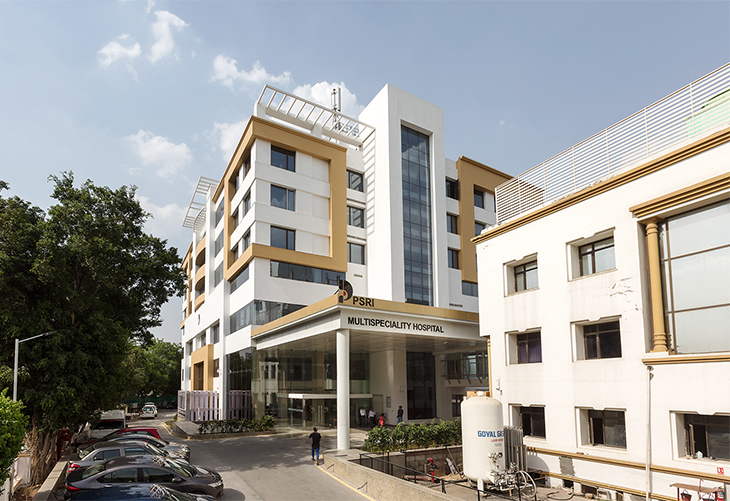
PSRI Hospital was established in the year 1996 as South East Asia’s first and India’s foremost institute providing advanced and comprehensive medical and surgical treatment for digestion-related diseases. Since its inception, many more specialties have been added and presently it is a multi-specialty Hospital.
PSRI Hospital is backed by the JK Group one of the leading business houses in India, PSRI was established to provide curative and preventive medical care through a caring environment.
Our team of highly skilled and experienced doctors in Delhi is committed to delivering the highest level of care by using cutting-edge technology & state of art infrastructure to get the best possible results for our patients.
From diagnosis to treatment, we deliver a wide range of services to address all type of diseases. Our team of expert works together to provide a customized and complete care plan for each patient.
Being the best multispecialty Hospital, our primary focus is to provide patient well-being. Therefore, our doctors takes the time to hear patients concerns, answer their questions and offer expert knowledge and support throughout their journey.
Consult Now
 Patient
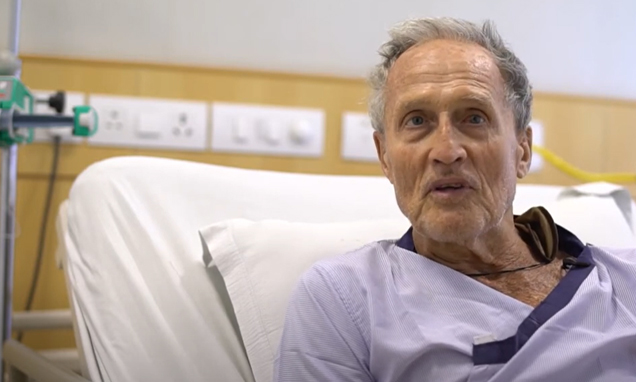
Being a fitness and disability trainer, He was diagnosed with osteoporosis after his arthritis worsened and augmented pain even during sleep. At PSRI Hospital's Orthopaedic and Joint Replacement Department, he received dedicated and comprehensive treatment under the observation of Dr Gaurav Bhardwaj through a total hip replacement surgery using minimally invasive technology, which helped him recover from post-operative pain in a single day and be ready for discharge within 2 days itself.
 Patient
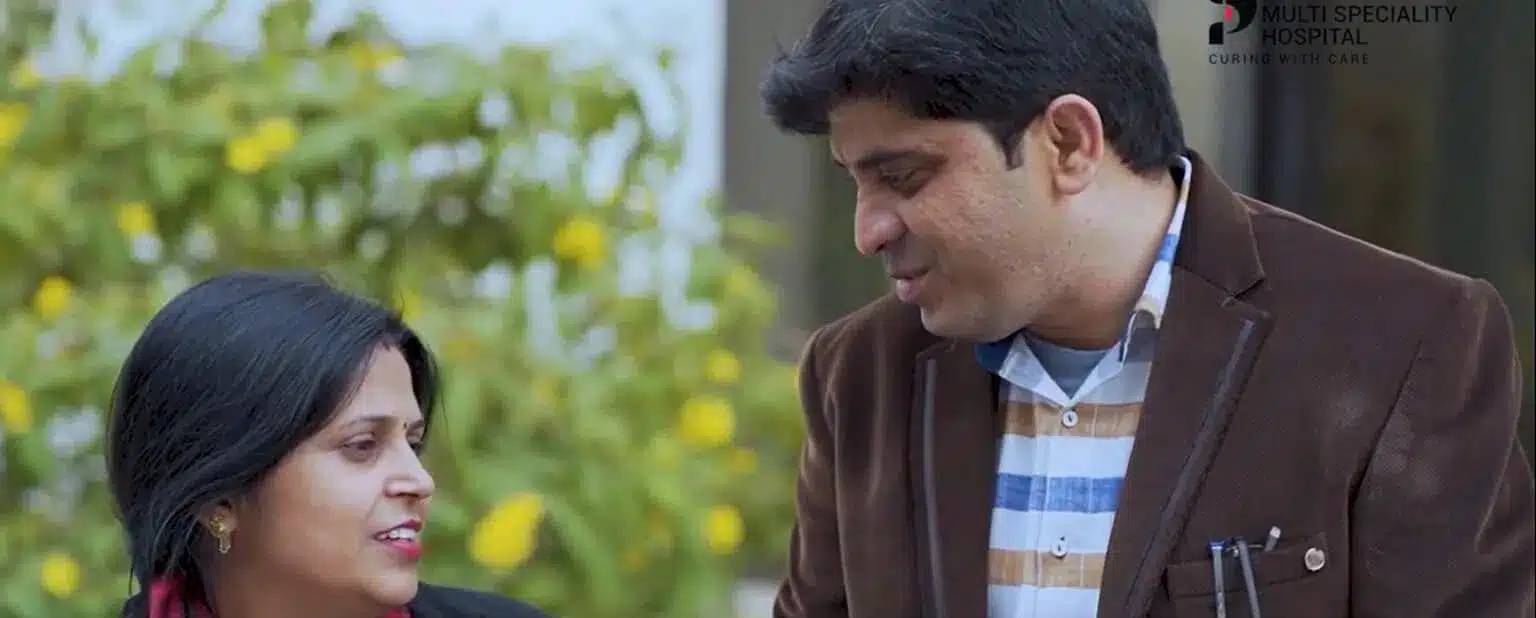
A kidney exchange, also known as a “kidney swap”, occurs when a living kidney donor is incompatible with the recipient, so exchanges kidneys with another donor. In a rare case, 3 couples swapped kidneys with identical blood groups saving 3 lives. PSRI Hospital, the best hospital in New Delhi, gave hope to 3 patients who did not find a solution to an ailing problem elsewhere. With support from multispeciality departments, the 3 couples are now leading a happy and healthy life.
 Patient
Jasmeet, a young girl, was born without her left thumb. Her parents were worried about her leading a normal life, so they decided to opt for the reconstruction of her thumb. Dr PP. Kotwal, chairman of orthopaedics and joint replacement at PSRI, a top hospital in Delhi, explains how reconstruction is possible by transposing the index finger, also called 'pollicization'. He explains how a multispeciality hospital aids any surgery with support from a cardiologist, a good anaesthetist, a child specialist and an interventionist during an operation. Watch Jasmeet's inspiring story here.
Stay updated with the latest advancements in healthcare, gain valuable insights from our experts, and discover tips for maintaining a healthy lifestyle. Let us be your trusted source of knowledge on all things related to well-being.
Learn how to reduce bloating quickly with 7 practical remedies. Discover why a post-meal walk,...

A gastrologist near me is a specialist in digestive health. Learn what 15+ conditions they treat,...
Your family member has leukemia. Chemotherapy started months ago. The cancer kept coming back. Now...

Your surgeon has recommended a liver transplant. The word “incision” comes up. You...
A stiff shoulder after a long day gets blamed on sleeping wrong more often than it gets checked...

A child with a sudden high fever during monsoon usually means nothing more than a common viral...
Tiredness that won’t lift, a dull ache under the right ribs, skin that looks a shade more...
A scratchy throat on a Monday morning could mean nothing much. It could also be the first sign of...

The worst headache of someone’s life doesn’t build up slowly. It usually comes up all...
A fever that won’t break and a cough that won’t quit could be dengue. It could just as...


In case of emergency, please contact us directly at 84 84 84 84 17.

 Book An Appointment
 Virtual Consultation
 Get Direction