
Back pain that does not respond to rest, medication or physiotherapy after several weeks often signals a structural problem in the spine. PSRI Hospital’s orthopaedic and neurosurgery team includes spine specialists who evaluate these cases with a clear focus: determine whether the pain generator is a compressed nerve, an unstable vertebra, or a degenerative disc, and plan the least invasive surgical correction that matches. A patient arriving with a failed conservative trial gets an MRI review and a nerve conduction study where needed before any surgical date is discussed.
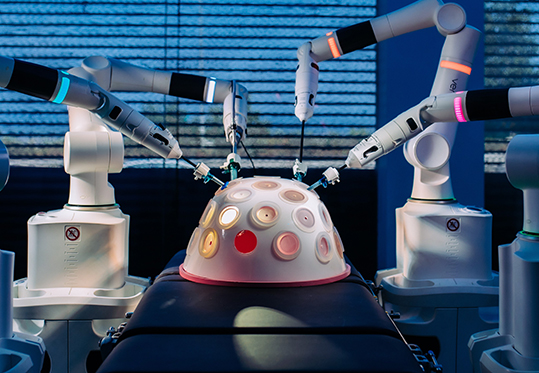
The surgical programme is supported by the Versius Robotic System and modular intra-connected operation theatres, which bring precision and repeatability to decompressions, discectomies and instrumented fusions. PSRI’s NABL-accredited laboratory runs preoperative screening 24×7, and the blood bank holds NABH accreditation of its own. For a patient weighing Esophageal Cancer in Delhi as a co-morbidity or an unrelated concern, the same hospital handles that specialty review without a separate referral, which keeps the spine team’s anaesthetic workup clearer and faster.
A spine surgery consultation at PSRI Hospital starts by ruling out nonsurgical options that still have a chance of working — most back pain resolves without an operation. When imaging and a physical exam confirm that a nerve root is compressed, a disc fragment has migrated, or a vertebra has slipped out of alignment, the surgical plan targets that specific finding. Patients from across North India travel for Appendix Surgery in Delhi and other advanced procedures here because the institution runs a single evaluation corridor: radiology, laboratory, specialist opinion, and surgical booking all sit inside one campus on Press Enclave Marg.
Care is directed by a spine review team that brings together the orthopaedic spine surgeon, the neurosurgeon, a pain medicine specialist and the radiologist who read the original scans. That group decides whether a decompression alone is enough or whether the spine also needs instrumentation to regain stability. Each patient walks out with a written plan that names the procedure, lists the risks and the recovery milestones, and sets a firm date for the first post-operative visit — no verbal handover, no loose instructions.
 New Delhi
Press Enclave Marg, J Pocket, Phase II,
Sheikh Sarai, New Delhi, Delhi 110017


A spine operation is chosen to match one of three goals: take pressure off a nerve, lock an unstable segment, or rebuild a collapsed vertebral body. The surgeon explains the difference clearly because a patient who understands why a microdiscectomy was chosen over a fusion is a patient who follows the recovery restrictions. At PSRI Hospital the imaging films stay on the screen during that conversation — you see the same scan the surgeon is reading.
The conditions that lead to surgery all share a common thread: the spine’s structure has changed enough to crowd or irritate the cord or the nerve roots that branch from it. Pain that travels down a leg, weakness that makes a foot drag, or bladder control that slips are red-flag findings the team asks about at the first visit. The list below covers the mechanical and degenerative pathologies the department addresses surgically when conservative care has run its course.
You may need to consult a spine surgeon when back pain has lasted longer than six weeks of conservative care, or when pain travels below the knee, weakens a leg, or changes bowel or bladder control — those are the signs that separate a mechanical ache from a surgical nerve compression.

Leg pain worse than back pain

Numbness in foot or groin

Foot drop while walking
Loss of bladder control

Pain unrelieved by 6 weeks of rest

Weakness in a leg that is getting worse
Back pain after a fall or accident
Fever with severe back pain
Cancer history with new spine pain
Stenosis confirmed on a prior MRI
Slipped vertebra on X-ray
Instability or abnormal motion
Not every patient who walks into a spine clinic needs an operation, but every patient who has ignored a red-flag symptom for weeks deserves a same-week MRI and a clear answer. The spinal surgical programme at PSRI Hospital is built to deliver that answer quickly, grounded in the imaging and lab infrastructure a decision of this weight demands — and that is what Back Pain Surgery in Delhi should ultimately provide: certainty before the incision.
PSRI Hospital’s spine team combines orthopaedic spine surgeons and neurosurgeons who review every surgical candidate together before listing a case. The radiologist who reported the MRI is in that discussion, as is the pain medicine consultant who managed the earlier conservative trial. This structure means a patient is not passed between specialties with differing opinions — the plan that reaches you is the one the group agreed to, and the surgeon who operates on you was in the room when the decision was made.
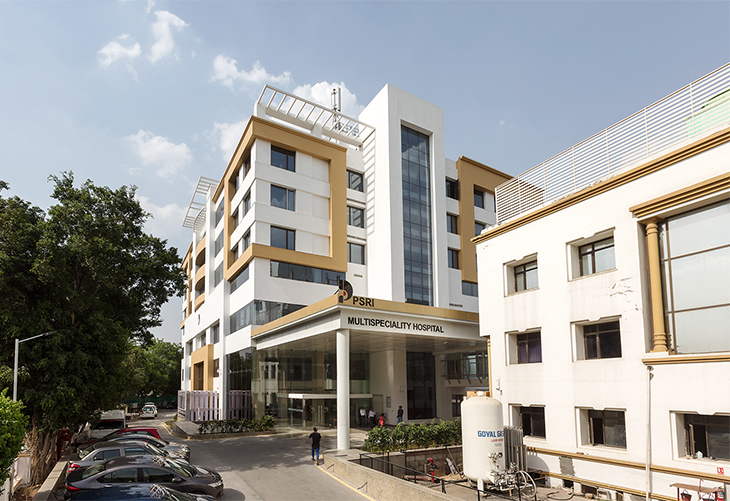
PSRI Hospital was established in the year 1996 as South East Asia’s first and India’s foremost institute providing advanced and comprehensive medical and surgical treatment for digestion-related diseases. Since its inception, many more specialties have been added and presently it is a multi-specialty Hospital.
PSRI Hospital is backed by the JK Group one of the leading business houses in India, PSRI was established to provide curative and preventive medical care through a caring environment.
Our team of highly skilled and experienced doctors in Delhi is committed to delivering the highest level of care by using cutting-edge technology & state of art infrastructure to get the best possible results for our patients.
From diagnosis to treatment, we deliver a wide range of services to address all type of diseases. Our team of expert works together to provide a customized and complete care plan for each patient.
Being the best multispecialty Hospital, our primary focus is to provide patient well-being. Therefore, our doctors takes the time to hear patients concerns, answer their questions and offer expert knowledge and support throughout their journey.
Consult NowFor a patient coming to Delhi from another state, the practical advantage of a hospital that also offers Pancreatic Surgery in Delhi is that pre-anaesthetic workup catches unrelated comorbidities inside the same campus — the cardiac clearance, diabetic control, and renal function tests all happen under one roof before the spine team clears you for theatre.
 Patient
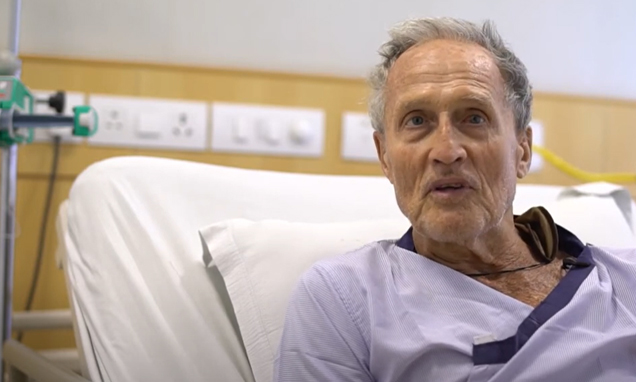
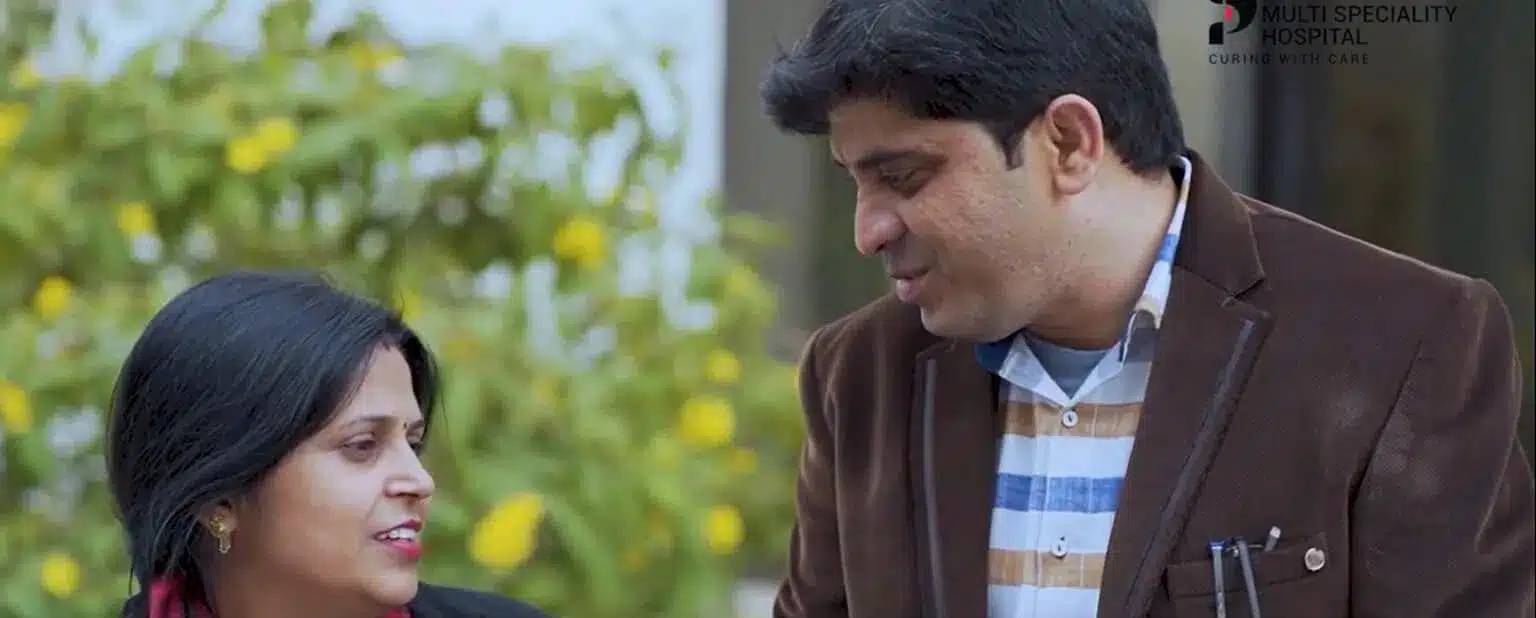
Being a fitness and disability trainer, He was diagnosed with osteoporosis after his arthritis worsened and augmented pain even during sleep. At PSRI Hospital's Orthopaedic and Joint Replacement Department, he received dedicated and comprehensive treatment under the observation of Dr Gaurav Bhardwaj through a total hip replacement surgery using minimally invasive technology, which helped him recover from post-operative pain in a single day and be ready for discharge within 2 days itself.
 Patient
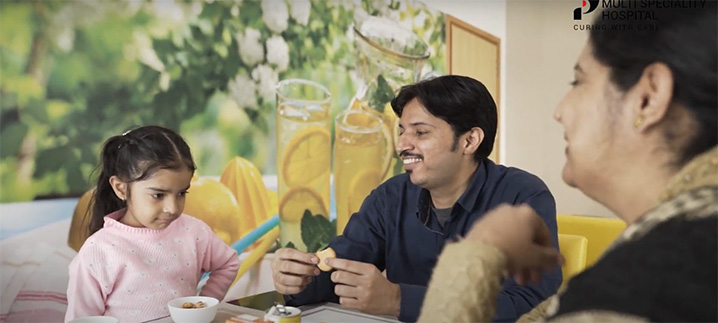
A kidney exchange, also known as a “kidney swap”, occurs when a living kidney donor is incompatible with the recipient, so exchanges kidneys with another donor. In a rare case, 3 couples swapped kidneys with identical blood groups saving 3 lives. PSRI Hospital, the best hospital in New Delhi, gave hope to 3 patients who did not find a solution to an ailing problem elsewhere. With support from multispeciality departments, the 3 couples are now leading a happy and healthy life.
 Patient
Jasmeet, a young girl, was born without her left thumb. Her parents were worried about her leading a normal life, so they decided to opt for the reconstruction of her thumb. Dr PP. Kotwal, chairman of orthopaedics and joint replacement at PSRI, a top hospital in Delhi, explains how reconstruction is possible by transposing the index finger, also called 'pollicization'. He explains how a multispeciality hospital aids any surgery with support from a cardiologist, a good anaesthetist, a child specialist and an interventionist during an operation. Watch Jasmeet's inspiring story here.
Stay updated with the latest advancements in healthcare, gain valuable insights from our experts, and discover tips for maintaining a healthy lifestyle. Let us be your trusted source of knowledge on all things related to well-being.
A stiff shoulder after a long day gets blamed on sleeping wrong more often than it gets checked...

A child with a sudden high fever during monsoon usually means nothing more than a common viral...

Tiredness that won’t lift, a dull ache under the right ribs, skin that looks a shade more...

A scratchy throat on a Monday morning could mean nothing much. It could also be the first sign of...

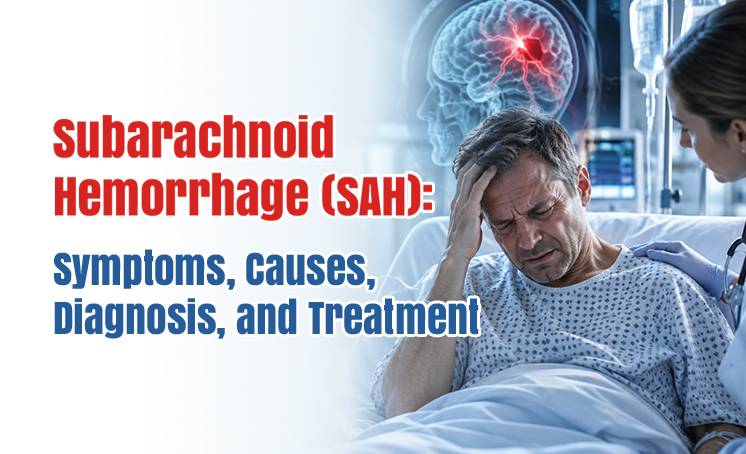
The worst headache of someone’s life doesn’t build up slowly. It usually comes up all...
A fever that won’t break and a cough that won’t quit could be dengue. It could just as...

Lunch tasted fine a few hours ago. Now the stomach’s making its own decisions, cramps that...

Small red bumps after a shave. A sweaty gym session leaves the same mark. Most people call it acne...

A runny nose and a nagging cough show up every monsoon, and it’s never quite clear if this is...

Swallowing shouldn’t hurt this much. That’s usually the thought that sends someone...


In case of emergency, please contact us directly at 84 84 84 84 17.

 Book An Appointment
 Virtual Consultation
 Get Direction