Book An Appointment
 Virtual Consultation

How to Remove Honey Stains Without Spreading the Sticky Mark

FACT CHECKED
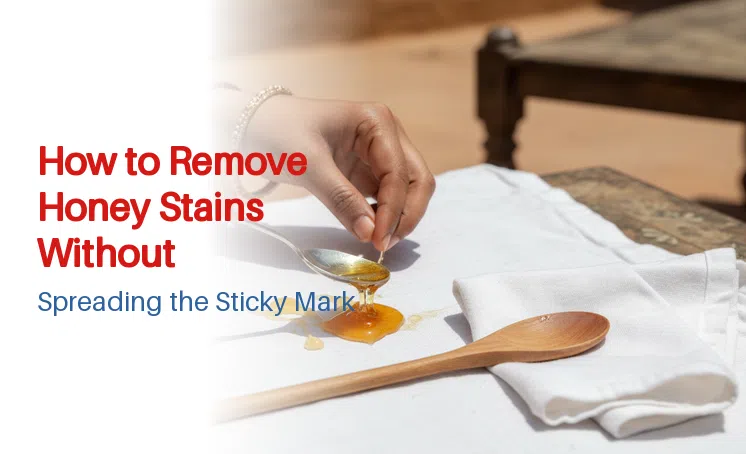
How to remove honey stains becomes urgent when a sticky spill reaches clothing, upholstery, or a hard surface and keeps collecting dust. Scrubbing too soon can push the syrup deeper into fabric or spread it across a larger area. The safest general approach is to lift excess honey, soften the remaining sugar with suitable water, and blot rather than rub. Material type changes the next step, so clothing, upholstery, wood, and food-contact surfaces need separate care. PSRI hospital shares this practical guide because sticky spills can also matter around people managing diabetes, skin sensitivity, or limited movement. Read on for a clear sequence, surface-specific cautions, and signs that a stain needs professional cleaning instead of stronger household chemicals. Consult a qualified healthcare professional for medical decisions.
Key takeaways
- Lift excess honey before adding water or cleaning solution.
- Blot washable fabric instead of rubbing the stain outward.
- Use care with wood, upholstery, electronics, and food-contact surfaces.
- Avoid mixing household chemicals because the material may react unpredictably.
How do you remove honey stains from washable fabric?
Washable fabric usually needs excess honey lifted first, followed by cool or lukewarm water and gentle detergent.
- Use the edge of a spoon to lift thick honey without pressing it farther into the fibres.
- Place the stained area under cool running water from the back of the fabric, so the syrup moves away from the surface.
- Apply a small amount of ordinary laundry detergent, then work it gently with your fingers.
- Rinse and check the mark before drying. Heat can make a remaining stain harder to remove.
Read the care label before washing. Silk, wool, structured garments, and clothing marked dry-clean only should go to a professional cleaner. Do not use a strong chemical simply because the mark feels stubborn.
| Material | First action | Main caution |
|---|---|---|
| Washable cotton | Lift, rinse, then detergent | Check before tumble drying |
| Wool or silk | Blot and seek fabric advice | Avoid vigorous rubbing |
| Dry-clean-only clothing | Remove excess carefully | Do not soak at home |
Honey can leave sugar behind even after the colour fades. Feel the area when dry. If it remains stiff or tacky, repeat a gentle wash rather than adding a harsher product.
What should you do about honey on upholstery or carpet?
Upholstery and carpet need controlled moisture, because soaking can spread the syrup into the backing.
Lift the visible honey with a spoon. Press a clean, damp white cloth onto the mark, then lift the cloth away. Turn to a clean section each time. This transfers residue into the cloth instead of moving it across the fibres.
For a washable textile cover, follow its care label. For fixed upholstery, test any fabric-safe cleaner on a hidden area first. A sticky patch that remains after careful blotting may need professional cleaning, especially if the filling has absorbed the spill.
Do not use bleach, concentrated disinfectant, or an unknown solvent on coloured fabric. A household product that removes a mark from one material can cause fading or a chemical ring on another.
How can honey be removed from wood, glass, and counters?
Hard surfaces usually need warm water to dissolve the sugar, followed by drying that prevents a new sticky film.
| Surface | Practical method | Extra care |
|---|---|---|
| Glass | Wipe with warm water and a soft cloth | Dry to remove the film |
| Sealed counter | Use a damp cloth, then a clean rinse cloth | Check the surface instructions |
| Finished wood | Use a barely damp cloth | Dry immediately |
| Unsealed wood | Lift residue and use minimal moisture | Ask a furniture professional if it darkens |
For jars, plates, or other food-contact items, wash with the normal dishwashing process and rinse fully. A food-contact surface must be clean before it is used again.
If honey has reached a phone, keyboard, or other electronic item, disconnect power when safe and remove surface residue without pouring liquid into openings. A repair professional should assess liquid or syrup inside the device.
Which cleaning mistakes make honey stains worse?
Rubbing, excess water, early heat, and mixed chemicals are the main mistakes that spread residue or damage the surface.
- Rubbing can push honey deeper into fabric and widen the mark.
- Hot water can soften the spill but may also spread it before the excess is lifted.
- A dryer, iron, or heater can set remaining residue into fibres.
- Bleach and other strong products can change colour or damage finishes.
- Mixing cleaning chemicals can create harmful fumes.
People sometimes search for how to remove dark spots on face after using home mixtures on skin. A honey stain on fabric is different from a skin concern, so do not apply household cleaning products to your body.
People living with diabetes may also ask how to manage diabetes after reading claims about honey. Cleaning a spill does not change how the body handles sugar, and dietary decisions should be discussed with a qualified healthcare professional.
When should you stop home cleaning and seek help?
Stop home cleaning when the material is valuable, the stain has spread into padding, or the product label forbids washing.
Professional advice is sensible for antique textiles, leather, silk, wool, fixed upholstery, unsealed wood, and electronics. Keep the item dry until the cleaner advises you. Tell them what was spilled and which products, if any, touched the area.
A sticky substance on the skin is usually a washing issue, not a reason to use surface disinfectant. Persistent irritation, swelling, pain, or a wound needs medical assessment. PSRI hospital has an ENT Specialist service for ear, nose, and throat concerns, while skin symptoms should be reviewed by the appropriate qualified clinician.
If a spill has caused a fall or injury, urgent assessment matters more than stain removal. PSRI hospital provides a Cardiologist service for heart-related concerns and maintains a 24×7 emergency department with advanced life support ambulances.
Readers comparing unrelated home-care topics should keep the problem specific. Advice on How to Remove Dark Spots Caused by Pimples Without Irritating Skin does not apply to cleaning clothing, just as how to manage joint pain does not change the correct method for a sugar-based spill.
PSRI hospital was established in 1996 as South East Asia’s first institute dedicated to digestive diseases. Its services include a 24×7 in-house pharmacy, cashless treatment through insurance, TPA, CGHS and ECHS, and separately NABH-accredited blood bank services. Consult a qualified healthcare professional for medical decisions.
Honey stains are easiest to manage before they dry: lift the excess, use measured moisture, and blot instead of rubbing. Fabric needs a different approach from wood, upholstery, or electronics, and heat can make residue harder to remove. Stop if the care label forbids washing or the material is valuable. Contact PSRI hospital if a person has irritation, injury, or another health concern linked to the incident. Consult a qualified healthcare professional for medical decisions.
FAQs
How do I remove a dried honey stain from clothes?
Lift the hardened honey gently, then rinse the fabric from the back with cool or lukewarm water. Apply laundry detergent, rinse, and check the mark before using heat.
Can I use hot water to remove honey stains?
Warm water can soften honey, but it may spread the syrup before you lift the excess. Start with controlled cool or lukewarm water and blot the area.
How do I remove honey from a carpet?
Scoop up the excess honey, then press a clean damp cloth onto the carpet and lift it repeatedly. Avoid soaking the backing or rubbing the stain outward.
Can bleach remove a honey stain?
Bleach is not a first choice for honey stains because it can damage colour and fibres. Use the care label and a suitable mild cleaning method instead.
What should I do if honey gets on my skin?
Wash the area with ordinary water and mild soap, then stop if irritation develops. Persistent redness, swelling, pain, or broken skin needs assessment by a qualified healthcare professional.