Book An Appointment
 Virtual Consultation
Top 11 Remedies to Relieve Gas and Bloating Quickly

FACT CHECKED
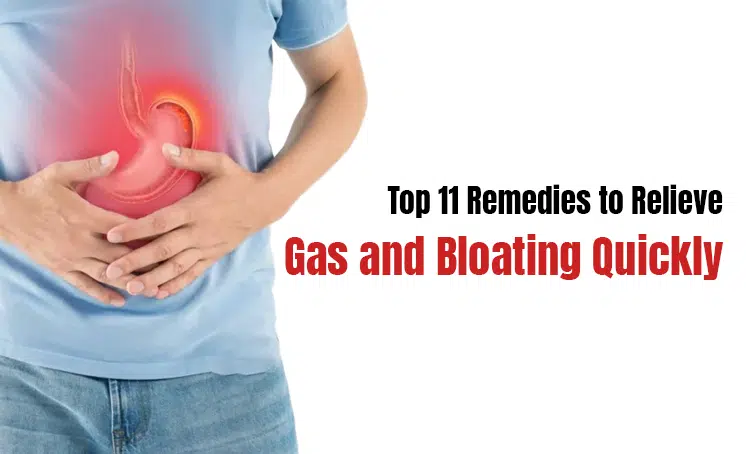
After eating sometimes, the stomach feels heavy, tight and swollen. Some people start burping, others feel cramps and trapped gas.
Most short term gas and bloating caused because of food, air, constipation, or indigestion improve using the right steps. But when symptoms keep coming back, you need more than just home tips.
PSRI’s gastro team specifically sees patients with persistent bloating, gas, or discomfort after meals, along with constipation, IBS-like symptoms, and other digestive complaints.
If you are looking for remedies to relieve gas that are practical and easy to follow, this guide will walk you through what helps quickly, what foods commonly trigger the problem, and when it is time to see a best gastroenterologist in Delhi NCR.
Why Does Gas And Bloating Happen?
Gas and bloating occurs because of food fermentation in the gut, constipation, lactose intolerance, or slow movement of gas through the intestines. Fatty foods too can slow the digestion and sugar alcohols, say sorbitol,and xylitol can increase gas.
That is why the right remedies for bloating depend on the cause of the problem. A person who is constipated needs a different fix than someone who bloats after dairy products or fizzy drinks consumption.
Top 11 Remedies To Relieve Gas And Bloating Quickly
Quick relief comes from helping gas move out, easing gut spasm, and avoiding the triggers that are making the problem worse. Some simple measures that can reduce bloating and gas are:

1. Walk For 10 To 15 Minutes
A short walk after meals helps the gut move gas forward. It is one of the easiest steps, when you feel trapped gas and heaviness.
2. Sip Warm Water Slowly
Warm fluids like water can feel soothing and may help when bloating is linked with slower digestion or mild constipation.
3. Try Peppermint Tea
Peppermint can help the intestinal muscles relax, which helps gas move out more easily.
4. Try Ginger Tea
Ginger is used for digestion support and can be helpful when bloating comes with mild nausea or heaviness after meals.
5. Stop Fizzy Drinks For A Few Days
Carbonated fizzy drinks add gas. Avoiding or reducing them when gas and bloating are a problem is a better idea.
6. Eat Smaller Meals
A very large meal can leave you feeling heavy, stretched, and uncomfortable. Smaller meals are easier on the gut.
7. Do Not Lie Down Right After Eating
Lying flat after a heavy meal can make pressure and discomfort feel worse. Sit upright or walk instead.
8. Review Dairy For A Week
If milk, paneer, ice cream, or creamy coffee trigger symptoms, lactose intolerance may be part of the issue.
9. Treat Constipation First
Constipation is one of the most common causes of bloating, and you can be constipated even if you still pass stool.
10. Cut Back On Fatty Foods For A Few Days
Fatty foods slow digestion, which gives food more time to ferment and can worsen gas symptoms.
11. Consider Doctor-Advised OTC Relief
Some people try products like simethicone, while lactase products may help if lactose is the issue. These are more useful when you have identified the trigger and seek doctor’s advice if the issue is bigger..
These remedies to relieve gas work best when symptoms are occasional. If the same problem keeps returning after meals, then quick relief is not the answer.
Which Foods Commonly Trigger Gas And Bloating?
The most common food triggers include carbonated drinks, fatty foods, sugar alcohols, and certain high-fiber or fermentable foods. Dairy products in lactose sensitive people can be the reason too. A practical food trigger list is:
- Milk, soft cheese, ice cream
- Carbonated drinks
- Fried and oily foods
- Sugar-free gum or sweets with sorbitol/ xylitol
- Large portions of gas-producing foods
Many people assume healthy food cannot lead to bloating. But even fiber rich foods can temporarily increase gas in some people.
When Is Bloating More Than “Just Gas”?
Bloating is more than just gas when it is persistent, painful, linked with vomiting, weight loss, dark stools, or repeatedly happens after meals without a clear reason. PSRI’s gastro institute specifically includes persistent bloating, gas, or discomfort after meals among the reasons to consult a gastroenterologist at the best hospital in Delhi.
What Tests May Be Needed If Gas And Bloating Keep Returning?
If you are tired of remedies for bloating and gas and bloating keep coming back, a gastroenterologist consultation may be a better option. They look for constipation, IBS, lactose intolerance, acid-peptic problems, or other digestive disorders depending on your pattern and red flags. A doctor may start with:
- Symptom history and food pattern review
- Bowel habit review
- Trigger-based diet advice
- Further tests only if the story suggests something more than simple gas
Book A Digestive Health Consultation At PSRI: Best Hospital In Delhi
At PSRI, the gastroenterology & hepatology institute and GI surgery services support specialist digestive evaluation under one setup, which helps when symptoms are no longer simple or one-dimensional.
PSRI also has senior consultants in gastroenterology and hepatology, including best gastroenterologist in Delhi NCR with expertise in spanning gas, bloating, abdominal pain, IBS, and other gut disorders.
To book a consultation at PSRI, call: +91 84 84 84 84 17
FAQs
What Relieves Gas Fastest At Home?
Walking, warm fluids, and avoiding fizzy drinks are some of the best steps at home to relieve gas.
Does Walking Really Help Gas?
A short walk helps trapped gas move through the gut and reduce that tight, swollen feeling after meals.
Which Drinks Make Bloating Worse?
Carbonated drinks add gas, hence are recommended to be avoided when feeling bloating.
When Should I See A Gastroenterologist For Bloating?
If bloating is persistent, or comes with pain, vomiting, and dark stools, it is time to get checked.
What Symptoms Mean It Is Not Safe To Wait?
Vomiting, dark stools, appetite or weight loss, or severe recurring pain are some important signs to stop self-treating and seek medical care from an expert.