Hip replacement is a permanent surgical decision. Once the natural joint is removed and an implant placed, that cannot be undone. If you have been advised this surgery and something still feels unclear, about the timing, the necessity, or what happens after, a second opinion for hip replacement is the right step before you proceed.
People seek a second opinion for hip replacement for different reasons. Some were advised surgery quickly without a full explanation. Others have tried physiotherapy and want to know whether non-surgical options are truly exhausted, or whether their age and bone condition have been properly factored into the recommendation.
At PSRI Hospital, submit your hip reports and receive a focused review from our senior orthopaedic specialists within 48 hours in most cases. A free second opinion is available—share what you have and our team confirms what else is needed.

Years of Trust

Happy Patients

Medical Experts

Specialities
You have received a hip replacement recommendation but do not have full clarity on the diagnosis, the urgency, or what alternatives exist. Consider a second opinion for hip replacement if:
Whether you are yet to undergo surgery or experiencing symptoms after a hip procedure, a specialist review answers:
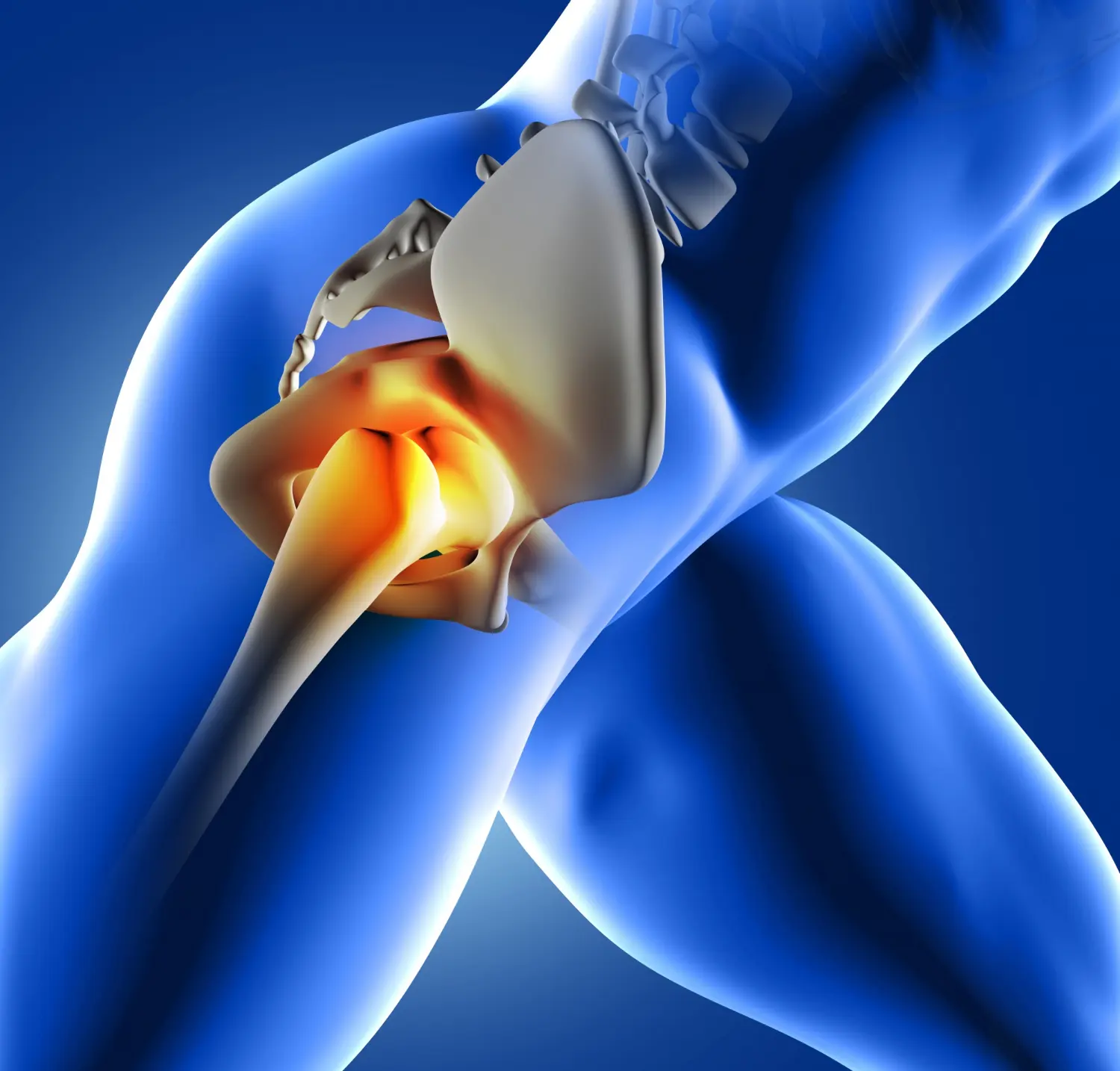
The second opinion for hip replacement at PSRI is built on your complete hip profile, not one scan in isolation. The review examines:

Hip replacement second opinions at PSRI are led by Dr. Gaurav Prakash Bhardwaj, Director and Senior Consultant in Sports Injury, Joint Preservation and Replacement Surgery, and Dr. Prakash P. Kotwal, Chairman and Senior Consultant in Orthopaedics. Cases reviewed include:

The outcome depends on what your hip condition actually requires.

 New Delhi
Press Enclave Marg, J Pocket, Phase II,
Sheikh Sarai, New Delhi, Delhi 110017


Submit X-rays, MRI if available, previous consultation notes, and any surgery advice you were given. If a report is missing, submit what you have.
Step-1

You receive clear next-step guidance based on your case. This may include a non-surgical plan, surgery planning with recovery details, or a focused recovery review if you are taking a second opinion after hip replacement.
Step-4


PSRI orthopaedic specialists review your reports and imaging, damage pattern, hip stability, pain history, and functional requirements.
Step-2

You receive guidance within 48 hours in most cases. If additional reports are needed or the case involves post-surgery recovery concerns, you are told exactly what is required and why.
Step-3
Submit X-rays, MRI if available, consultation notes, and surgery advice. If something is missing, submit what you have.
Step-1
PSRI specialists review your imaging, damage pattern, hip stability, pain history, and functional needs.
Step-2
Guidance is shared within 48 hours in most cases, with a clear note if more reports are needed.
Step-3
You receive a clear non-surgical, surgery-planning, or post-surgery recovery review path.
Step-4
Hip replacement is permanent. A second opinion gives you the information to decide with confidence:
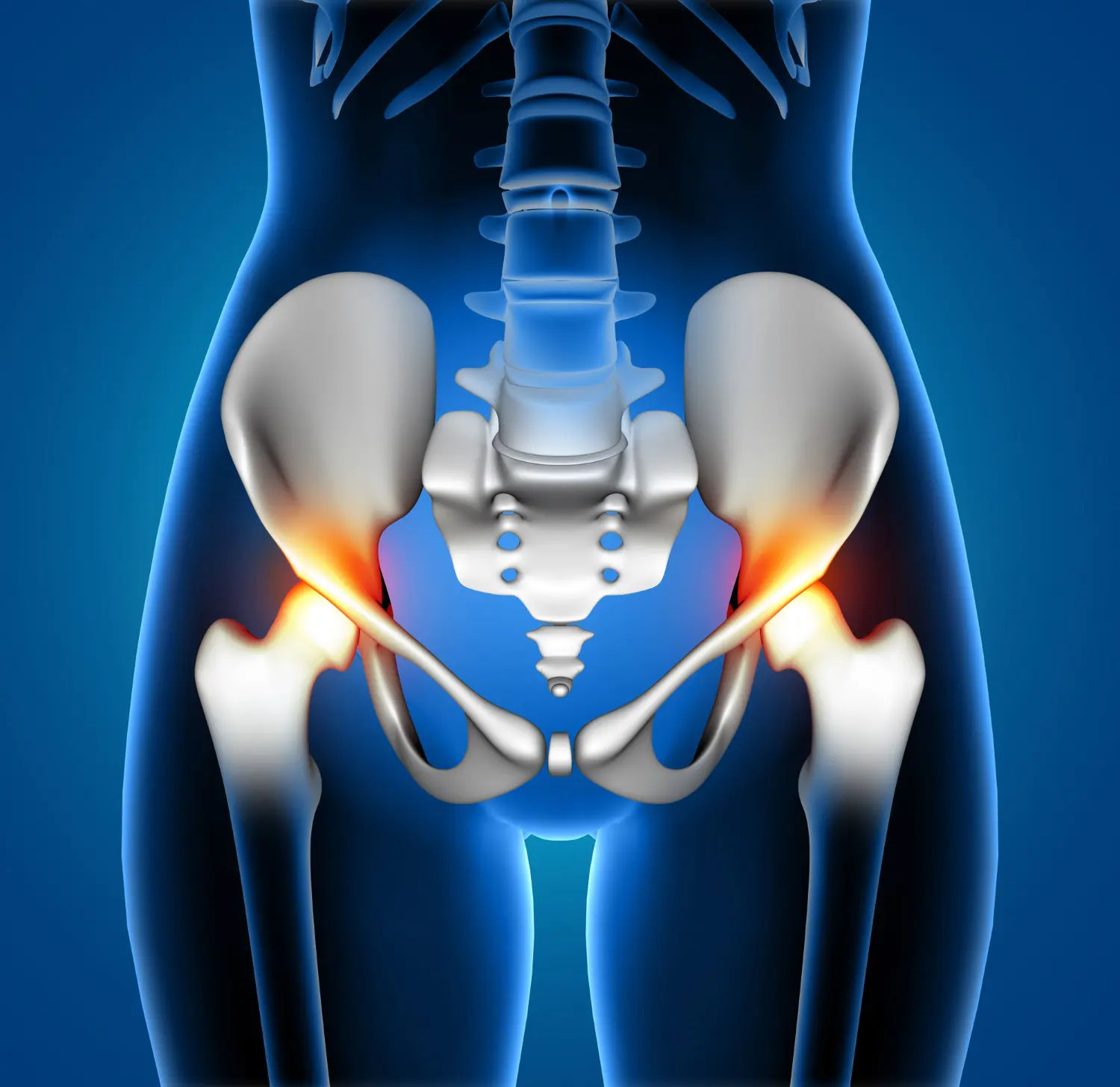
If hip replacement has been advised and you want a specialist review before deciding, submit your reports to PSRI Hospital. Access a free second opinion from senior orthopaedic specialists with direct experience in hip joint conditions.
If hip pain follows a fall, causes inability to stand or bear weight, or involves visible deformity, seek emergency care immediately. A second opinion is for planned decision-making and does not replace emergency treatment.
 Patient
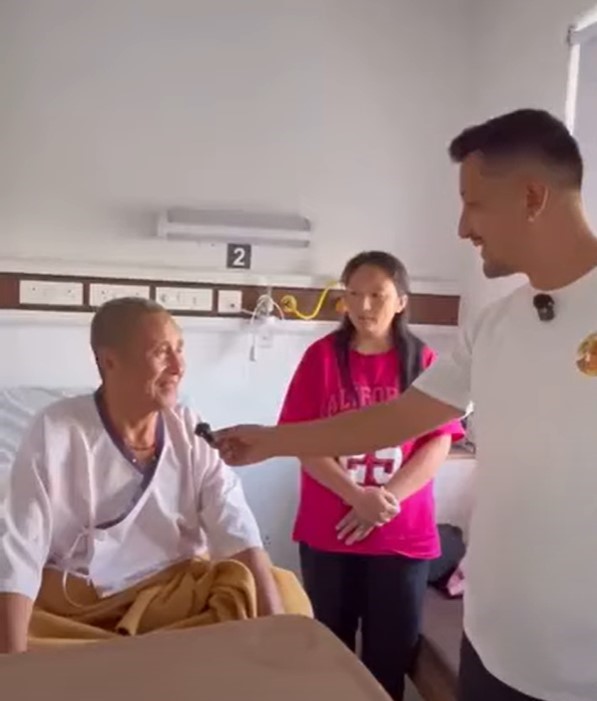
We travelled from Iraq to PSRI Hospital for my father’s liver transplant. My sister donated part of her liver, and the surgery was completed successfully. Today both of them are recovering well. We are truly grateful to the doctors at PSRI and the entire team for their care and support.
 Patient
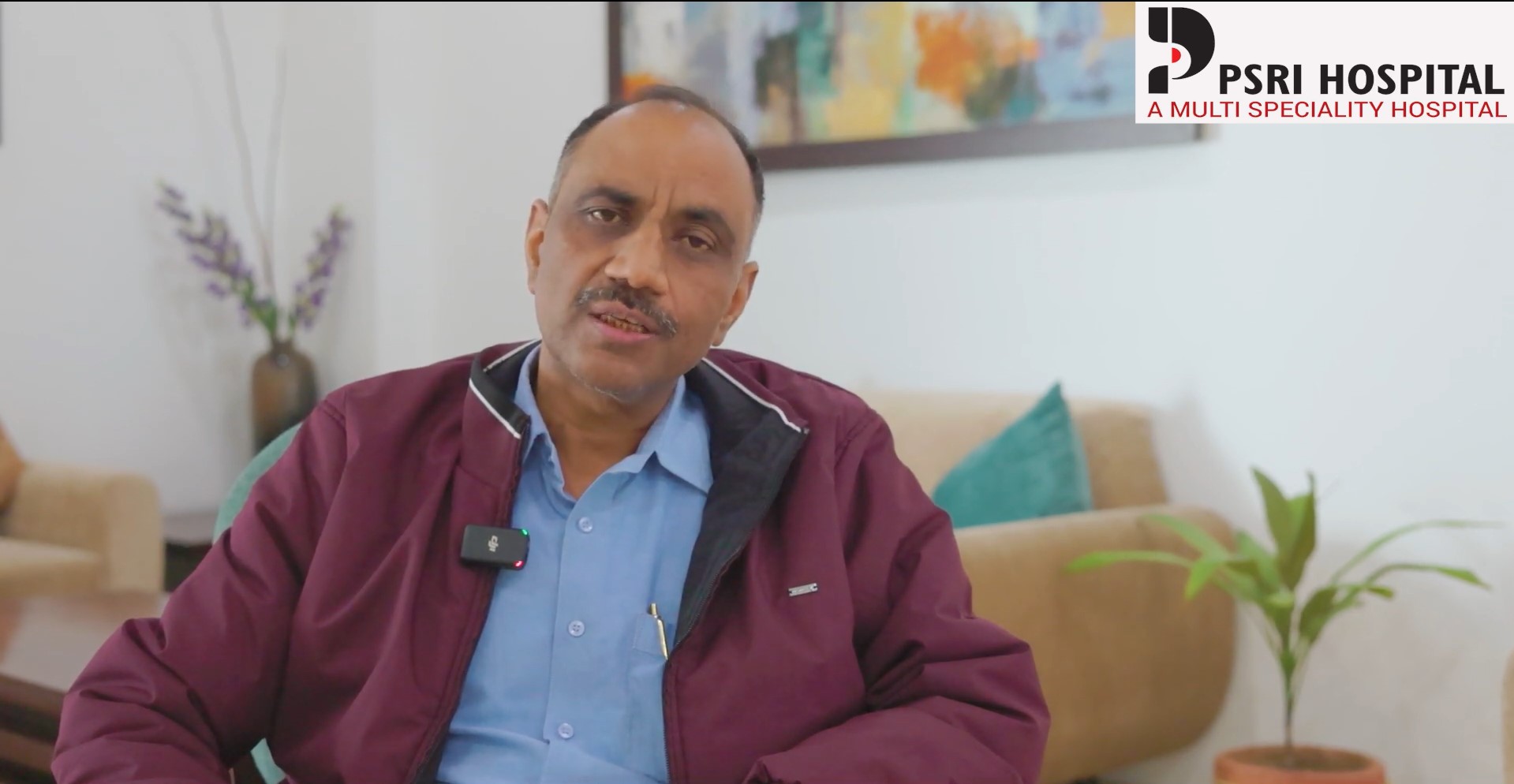
Right now I’m standing outside PSRI Hospital in Delhi, where patients referred from Sikkim receive treatment without paying out of pocket. The hospital team explained that the Sikkim government supports the cost of care, and many patients have already been treated here, including kidney transplants and liver transplants. What stood out most was the smooth support for Sikkim patients, including Nepali-speaking nurses and a coordinator, so families feel understood and guided throughout their stay.
 Patient
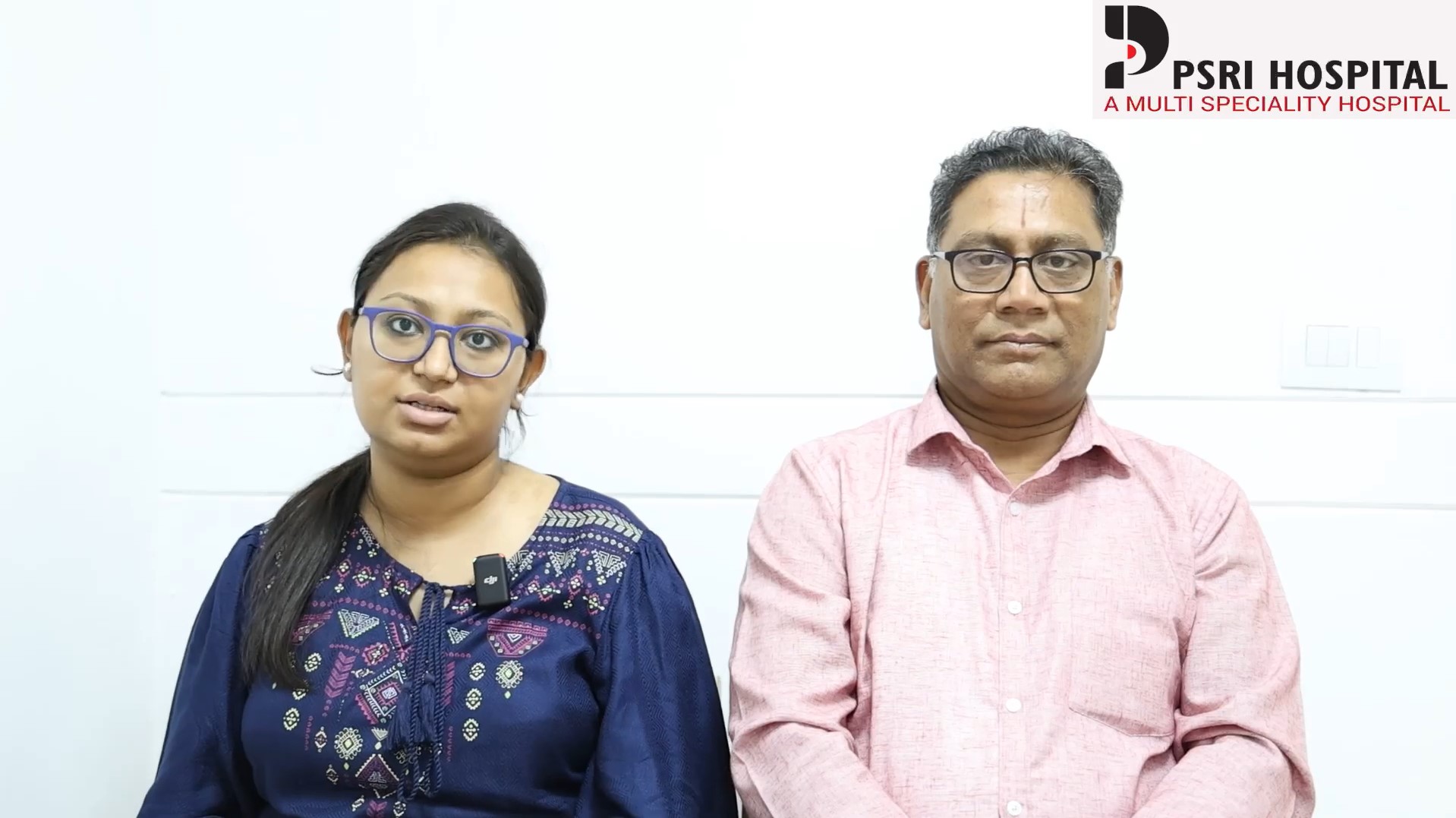
When we heard ‘liver cirrhosis,’ we were very scared. We visited other hospitals, but we still felt unsure. Then we met Dr. Manoj Gupta at PSRI Hospital. He explained everything in simple words and told us there was a solution. My wife donated part of her liver for me, the transplant went smoothly, and I recovered well and came home in about two weeks. Today I am healthy, and we are truly thankful to Dr. Manoj Gupta and the entire PSRI team.
 Patient
I found out my kidneys were failing and it was a very stressful time. At PSRI Hospital, Dr. Sanjeev Saxena reviewed my reports and explained clearly that a kidney transplant was the best option. My father became my donor, the transplant was successful, and it has been over two years now. I feel healthy, I follow up regularly, and I am truly thankful to Dr. Sanjeev Saxena and the PSRI team.

In case of emergency, please contact us directly at 84 84 84 84 17.

 Book An Appointment
 Virtual Consultation
 Get Direction