Book An Appointment
 Virtual Consultation
Pneumonia in Older Age: Symptoms, Risks & Prevention

FACT CHECKED
Pneumonia can be a life-threatening lung infection. With growing age, the immune system of adults will get weakened too, due to which the body finds it difficult to safeguard itself against infections. Initially, it can be a mere cold cough, which can turn into a life-threatening infection.
At PSRI Hospital, recognised as the best hospital in Delhi and a leading multispeciality hospital New Delhi, pneumonia management in seniors is approached with specialised care. We have experienced pulmonologists, geriatric-focused care, advanced diagnostic facilities, and a multidisciplinary approach which ensures early detection, accurate diagnosis, and effective treatment of pneumonia in seniors, helping reduce complications and improve recovery outcomes.
Knowledge about the symptoms, risk factors, and preventive measures for pneumonia at an older age is important, and it is necessary for both the senior individuals and their relatives to take necessary measures for their health.
Keep reading as we discuss pneumonia in older adults, diving deeper into its symptoms, causes, and treatment.
How Does Pneumonia Affect Older Adults?
Pneumonia often hits seniors differently than younger adults. Symptoms may be milder at first, but the infection can quickly strain breathing, worsen existing conditions like diabetes or heart disease, and increase the risk of hospitalisation.
Common Symptoms
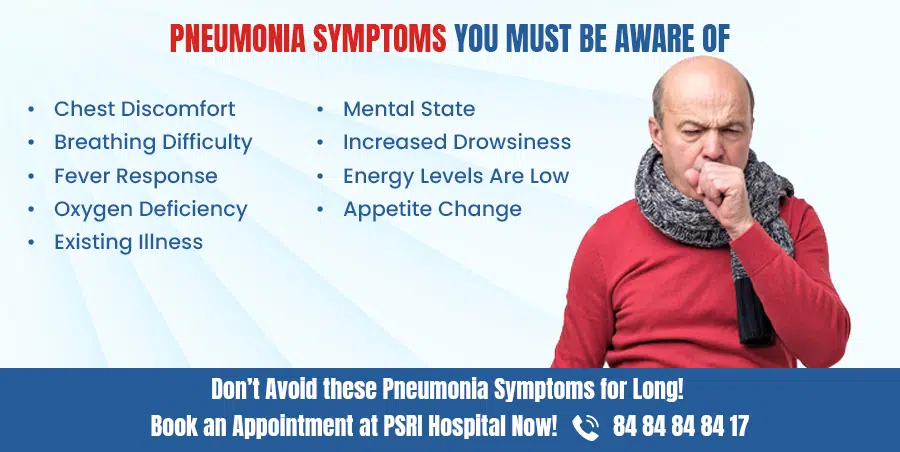
- Loss of appetite.
- Chest pain or stuffiness.
- Fever of 102° or higher.
- Breathlessness.
Severe Pneumonia Symptoms in Seniors
- Drowsiness or less alertness.
- Confusion or abrupt changes in mental faculties.
- Low body temperature rather than fever.
- Aggravation of existing medical conditions like heart disease or diabetes.
- Blue color of lips or finger tips due to reduced oxygen in the body.
These pneumonia in older age symptoms are often subtle and easily overlooked, increasing the risk of delayed diagnosis.
What Increases the Risk of Pneumonia in Seniors?
Pneumonia in older adults are more likely to develop when germs reach the lungs easily, or when swallowing, coughing, and mucus clearance become less effective with age.
Bacterial Infection
Bacteria known as Streptococcus pneumoniae are a major contributor to pneumonia in senior adults. Specifically, this infection often leads to a cold and the flu.
Older adults with diabetes, heart disease, kidney disease, or weakened immunity face higher Pneumonia in Older Age Risks.
Common symptoms of Bacterial pneumonia are :
- Shortness of breath.
- Rapid heart rate.
- Sweating or chills.
- Chest pain and/or abdominal pain, especially with coughing or deep breathing.
- Loss of appetite.
Viral Infection
COVID-19, Influenza, and RSV are known causes that result in pneumonia. Commonly, it starts with a cough and fever, which is normally low. Typical viral pneumonia symptoms include:
- Dry cough.
- Headache.
- Muscle pain.
- Extreme tiredness or weakness.
How Do Elders Get Infected?
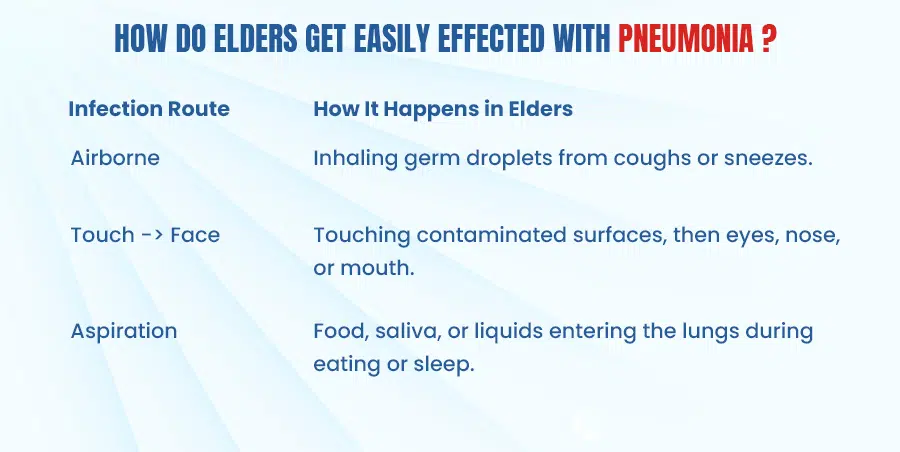
- Airborne– Just because one breathes the air that the germ droplets are already present in, from the coughing or sneezing of an infected person.
- Touch-to-Face Transmission – Germs are all around us. These germs could be on the surface, which could be any door handle, phone, or utensil.
- Once your hands come into contact with the surface and you accidentally infect them by touching your face to rub your eyes or your mouth with them, it will be transferred to your lungs.
- Aspiration– Food, saliva, or water accidentally going into your lungs either at night while sleeping or while eating can lead to aspiration pneumonia.
Why Is Pneumonia Dangerous For Older People?
Pneumonia is highly dangerous in older people because of
- Poor immune response of the body
- Changes related to age.
- Weakening in your muscles might cause coughing to be difficult.
- Older individuals with existing health problems have a higher risk of developing pneumonia.
- Recent surgery, which has drained the body of resources to heal.
These factors make Pneumonia in Older Age Risks higher and recovery more complex.
Pneumonia in Older Age Prevention
Following effective Pneumonia in Older Age Prevention strategies can significantly reduce infection risk.
- Receiving the pneumonia vaccine: the pneumococcal vaccine may prove helpful in preventing pneumonia caused by S. pneumoniae infection. For people under the age of 65, there are two different vaccines available, which are used on those above 65 years of age- PPSV23 and PCV13. You may seek advice from the expert doctors working at PSRI Hospital- a multi-specialty hospital, New Delhi, about which of these vaccines suits you.
- Try to wash your hands frequently to keep them hygienic and prevent infection from spreading through them.
- Avoid smoking since it will make your lungs weak. Eating a balanced diet and observing good lifestyle practices.
- Seek treatment for any infections or health issues you may have. These infections may impair your immune system, thus making you more susceptible to pneumonia.
- Avoid excessive alcohol consumption.
Practising Pneumonia in Older Age Prevention is essential for maintaining long-term respiratory health.
Conclusion
Pneumonia in older years poses a serious threat to health. It can be quite life-threatening, considering the older person has a weak immune system in addition to muscle weakness, which can be a problem while coughing. It can begin as a normal cough, which can promptly proceed to difficulty in breathing, confusion, or even life-threatening infections if it is not promptly attended to.
The good news is that pneumonia is preventable and treatable with timely care. Vaccination, healthy lifestyle choices, and prompt medical attention play a vital role in reducing Pneumonia in older age risks.
Those elderly people who have displayed some symptoms or are at high risk of pneumonia, it is advisable to visit medical facilities such as PSRI Hospital. Pneumonia in Older Age is tough, but with proper guidance and treatment, it is curable.
With the help of experts at PSRI hospital, you can get the required checkups and tests done very easily. Schedule a consultation with our expert pulmonologist at the best hospital in Delhi now. Call us at 084848 48417 to book your appointment.
Frequently Asked Question
What are the early symptoms of pneumonia in seniors?
Common early signs include loss of appetite, chest discomfort or congestion, breathlessness and fatigue or low energy.
Can pneumonia in older adults occur without a high fever?
Yes. Many elderly patients with pneumonia do not develop a high fever. Instead, they may experience low body temperature, confusion, and weakness.
How do elderly people get infected with pneumonia?
Older adults can develop pneumonia through airborne transmission by inhaling infected droplets, touch-to-face contact from contaminated surfaces or aspiration, especially during sleep or eating.
Can pneumonia be prevented in older adults?
Pneumonia prevention in older age is possible through pneumococcal vaccination (PCV13 and PPSV23), annual flu vaccination, regular hand washing and by avoiding smoking and excessive alcohol.