Book An Appointment
 Virtual Consultation
Liver Pain: Symptoms Treatment & Causes

FACT CHECKED
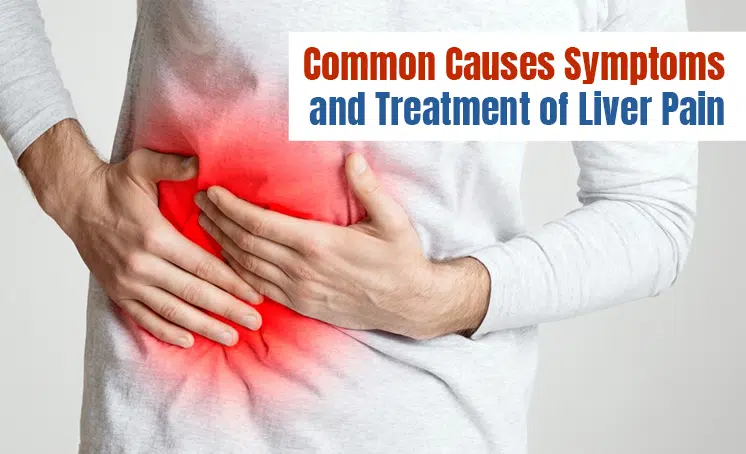
The liver has no pain nerves but problems such as liver inflammation, cirrhosis or a liver abscess can create pressure on surrounding tissues leading to a dull ache in the abdomen or even discomfort that spreads to the back or shoulders.
Many people seek help only when things start to hurt. But when it comes to liver pain, it can be difficult to identify the exact cause and know when to see a doctor. The liver itself doesn’t sense pain, so what you feel is usually the result of liver inflammation or swelling that presses on nearby tissues.
At PSRI Hospital, known as the best hospital in Delhi for liver treatment, expert hepatologists often meet patients who confuse right side abdominal pain or pain under the right rib cage with gas, acidity or muscle strain. This confusion often delays proper diagnosis and timely treatment of liver problems.
What Does Liver Pain Feel Like?
Your liver is located near the bottom of your rib cage and slightly tilted to the right. If you have ever wondered where is liver pain located, it’s generally felt in the upper right abdomen, just above the stomach and small intestine.
Because the liver doesn’t have pain-sensing nerves, liver pain usually happens when it gets swollen or stretched due to inflammation or pressure around it. People with conditions such as fatty liver disease, cirrhosis or hepatitis infection often describe the discomfort as a dull ache or heaviness in that area.
In some cases, the pain can radiate to the back, shoulders or large joints. This is known as “referred pain,” and it happens because the liver’s nerve network connects with nearby areas of the body.
Symptoms of Liver Damage
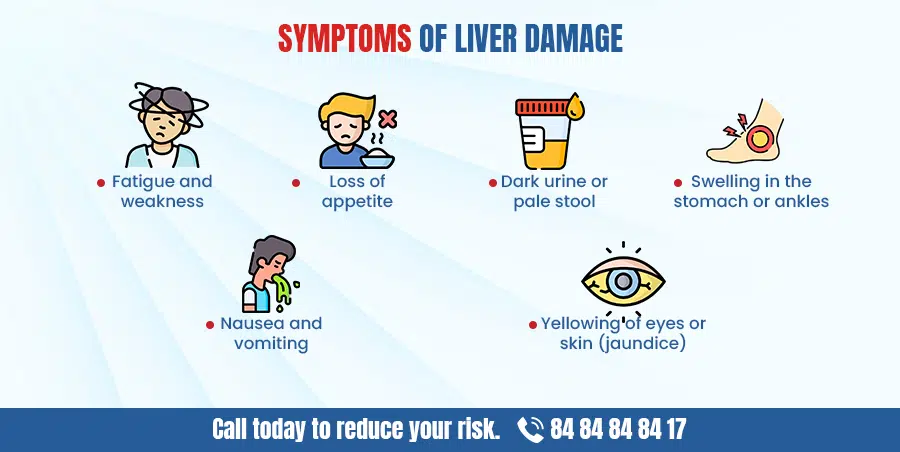
Pain isn’t the only warning sign of liver problems. Other liver disease symptoms include:
- Fatigue and weakness
- Loss of appetite
- Dark urine or pale stool
- Swelling in the stomach or ankles
- Nausea and vomiting
- Yellowing of eyes or skin (jaundice)
Sometimes, these signs appear without noticeable pain. Routine checks like a liver function test (LFT) can help detect issues early. At PSRI, such diagnostics are often combined with ultrasound of abdomen or advanced CT scan liver studies for precise evaluation.
What Causes Liver Pain?
Liver pain can indicate both mild and serious problems. Common causes include:
- Fatty liver disease or non-alcoholic fatty liver disease (NAFLD).
- Hepatitis infection (A, B or C).
- Cirrhosis of liver.
- Alcoholic liver disease.
- Liver cysts, liver abscess or liver cancer
Sometimes, alcohol abuse, obesity or medication overuse contribute to liver pain treatment needs. These conditions strain the liver and cause upper right abdomen pain or swelling.
Doctors at PSRI Hospital, home to the best liver specialist in Delhi NCR, emphasize that even mild symptoms should never be ignored. Early intervention can always prevent progression to severe liver damage.
How is Liver Pain Diagnosed?
Diagnosis usually starts with a physical examination followed by lab and imaging tests:
- Liver function test (LFT) to check bilirubin levels and ALT/AST enzymes.
- Ultrasound of abdomen or MRI abdomen to detect structural changes.
- Biopsy of liver in specific cases.
Your hepatologist may also review medicines, alcohol history and diet before recommending a treatment plan. PSRI’s advanced liver care unit integrates all of these under one roof for accurate results and coordinated care.
How to Stop Liver Pain: How is it Treated?
Treatment depends on the cause. For mild cases related to diet or alcohol use, simple steps like:
- Hydration and rest
- Avoid alcohol and low-fat diet
- Lifestyle modification and regular monitoring
- Balanced liver-friendly diet
For chronic conditions like viral hepatitis or fatty liver disease, doctors may prescribe antiviral treatment for hepatitis or vitamin supplementation. Advanced care options at PSRI include liver pain medication, alcohol cessation therapy and even liver transplant when required.
Avoid painkillers unless prescribed as they can worsen liver strain. At PSRI Hospital, every liver pain treatment plan is personalized under medical supervision, ensuring safe and effective recovery.
When to See a Doctor?
Because early liver disease is often silent, it’s vital to seek help if you experience persistent right side abdominal pain, unexplained fatigue or swelling. Symptoms like vomiting blood, yellow eyes or abdominal bloating may indicate serious conditions needing immediate medical care.
If you are unsure how to stop liver pain, book an evaluation with a liver specialist in Delhi NCR at PSRI Hospital, where expert hepatologists perform detailed diagnostic imaging and blood tests for liver enzymes to find the exact cause.
Managing Liver Cancer or Severe Liver Disease
If liver pain is due to liver cancer or advanced liver failure, our multi-specialist team handles the treatment. This may include hepatologists, gastroenterologists and transplant surgeons. PSRI’s liver transplant team provides cutting-edge solutions for such complex cases with dedicated ICU and post-transplant care facilities.
When to Visit PSRI Hospital?
If you are experiencing liver pain symptoms, unusual fatigue or any form of upper right abdomen pain, don’t ignore them. At PSRI Hospital, our best liver specialists in Delhi NCR use advanced diagnostics and personalized treatment plans to address the root cause of liver pain.
Take the first step toward better liver health: book your consultation today at PSRI Hospital, the best hospital in Delhi for liver care.
FAQ’s
1. Can liver inflammation go away?
Ans. Yes, with early diagnosis and proper liver pain treatment, mild inflammation often reverses.
2. Is liver pain worse when lying down?
Ans. Sometimes. Changing position may worsen pressure-related discomfort in the upper right abdomen.
3. How to stop liver pain at home?
Ans. Avoid alcohol, eat light, stay hydrated and rest. If pain continues, visit a liver specialist in Delhi NCR immediately.
4. What’s the difference between gallbladder and liver pain?
Ans. Gallbladder pain is sharp and localized, while liver pain is dull, spreading and often linked to liver inflammation or liver disease symptoms.