Book An Appointment
 Virtual Consultation
Is Blood Cancer Curable? Types, Causes, and Treatment!

FACT CHECKED
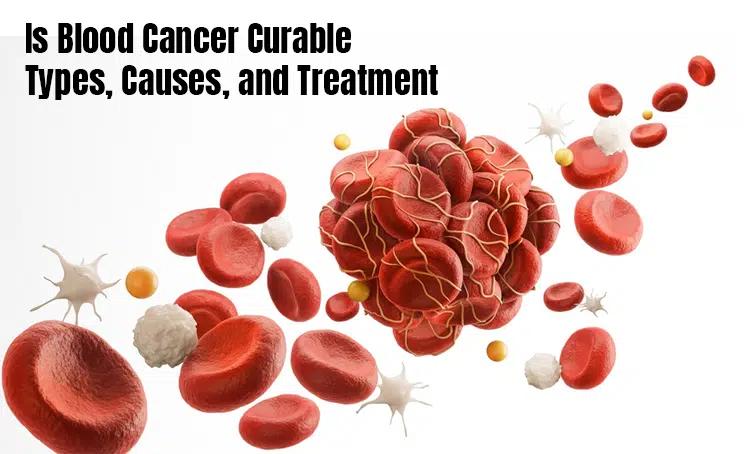
When someone hears “blood cancer,” the first question is not medical. It is personal.
Is blood cancer curable, or will it keep coming back? People search this because they want one clear, reliable answer, not mixed opinions.
Here is the straight answer: many blood cancers are curable or highly treatable, but results depend on the type, the stage, age, and how early treatment starts. For example, some forms of Hodgkin lymphoma have cure rates above 85% with proper care. In children with acute lymphoblastic leukemia, long-term cure rates can reach up to 90% in specialised centres. Some chronic blood cancers, like chronic myeloid leukemia, can often be controlled for decades with daily tablets.
At PSRI Hospital, a leading cancer hospital in Delhi NCR, our specialists use a step-by-step care pathway: confirm the exact type, check spread, plan treatment, and monitor recovery. This guide explains the blood cancer types, blood cancer causes, and blood cancer treatment options, so you know what “curable” can mean for your diagnosis and what to do next.
Types of Blood Cancers
Leukemia, lymphoma and myeloma are the three main blood cancer types. All these types affect the function and production of blood cells, starting from the bone marrow, where blood is produced. Each of the blood cancer types behaves differently, responds to treatment differently, and has a different chance of cure.
1. Leukemia
Leukemia originates in the bone marrow and blood, and leads to uncontrolled and rapid production of abnormal white cells. Based on how quickly it progresses and the type of cell involved, leukemia is classified into 4 sub-types.
- Acute lymphoblastic leukemia (ALL) – Grows fast, most common in children, and curable with quick treatment.
- Acute myeloid leukemia (AML) – Fast-growing, common in adults.
- Chronic lymphocytic leukemia (CLL) – Grows slowly, can be controlled in the long term, and most common in adults.
- Chronic myeloid leukemia (CML) – Slow progressing cancer type, identified by overproduction of myeloid cells.
Some patients may need a stem cell transplant or bone marrow transplant for the best outcome.
2. Lymphoma
Lymphoma affects the lymphatic system, which includes lymph nodes and the spleen. Symptoms may include swelling in glands, fever, night sweats, weight loss, or spleen enlargement.
Main types:
- Hodgkin lymphoma, identified by the presence of abnormal cells. Treatable.
- Non-Hodgkin lymphoma, common and diverse group of lymphomas, slow-progressing cancer type.
Several lymphoma types have a high chance of cure, especially when detected early.
3. Myeloma (Multiple Myeloma)
Myeloma starts in plasma cells (white blood cell type) in bone marrow, which help fight infections. It can cause bone pain, bone damage, tiredness, weakened immune system and kidney problems. Myeloma is usually long-term, but many patients live stable lives with treatment.
Blood Cancer Causes
In most cases, there are no single blood cancer causes. It develops due to changes in the cell’s DNA and other risk factors.
Known factors include:
- Changes in cell DNA, called genetic mutations, are seen in conditions like the Philadelphia chromosome or BCR-ABL fusion.
- Exposure to strong radiation or long-term contact with harmful chemicals.
- Certain viral infections.
- Family history of blood disorders.
- Age factors, since risk increases as we age.
- Smoking risks.
These changes affect how cells behave and can lead to abnormal growth. These are risk factors, not personal faults. Early detection of these blood cancer causes remains more important than knowing the exact cause.
What are the Different Types of Blood Cancer Treatment?
Blood cancer treatment depends on the type of cancer, the stage, and the patient’s overall health. At PSRI, each patient’s cancer treatment plan is created by a team of specialists.
Here are the main treatment methods:
1. Chemotherapy
Chemotherapy uses medicines that destroy cancer cells. Many patients with leukemia or lymphoma reach complete recovery after chemotherapy. Doctors adjust the plan to manage adverse drug reactions, dosage frequency, drug strength, and drug interactions safely.
2. Targeted Therapy and Immunotherapy
These treatments focus on specific changes inside cancer cells.
They include:
- Tyrosine kinase inhibitors, which help people with CML.
- Monoclonal antibodies, used in many lymphomas.
- Immunotherapy, which helps the immune system fight cancer.
- CAR-T cell therapy, available for selected cases.
These options offer strong results when used at the right time.
3. Radiation Therapy
Radiation helps shrink cancer cells in certain lymphomas. It is often used when disease is in specific areas, such as enlarged lymph nodes.
4. Stem Cell or Bone Marrow Transplant
A transplant may cure certain leukemias and lymphomas. It replaces damaged bone marrow with healthy stem cells. This option is considered when other treatments are not enough or when cure chances improve with transplant.
5. Supportive and Palliative Care
Supportive care reduces symptoms such as:
- Tiredness (fatigue),
- Fever,
- Weakness,
- Infections,
- Pain.
Specialised medical care also improves comfort and quality of life at every stage of cancer treatment.
Why Patients Trust PSRI Hospital for Blood Cancer Treatment?
PSRI Hospital is a NABH and NABL accredited multi-speciality hospital in South Delhi, recognised as the best hospital in Delhi NCR for advanced medical care. 27+ years of experience, 50,000+ success stories, and recognition as the Best Multi-Speciality Hospital in Delhi by the Times Group, are a few of the reasons. Others include:
- Specialist Hemato-Oncology Team: Experienced team of oncologists follow a multidisciplinary approach so that every blood cancer patient is evaluated by specialists from different fields before finalising a plan.
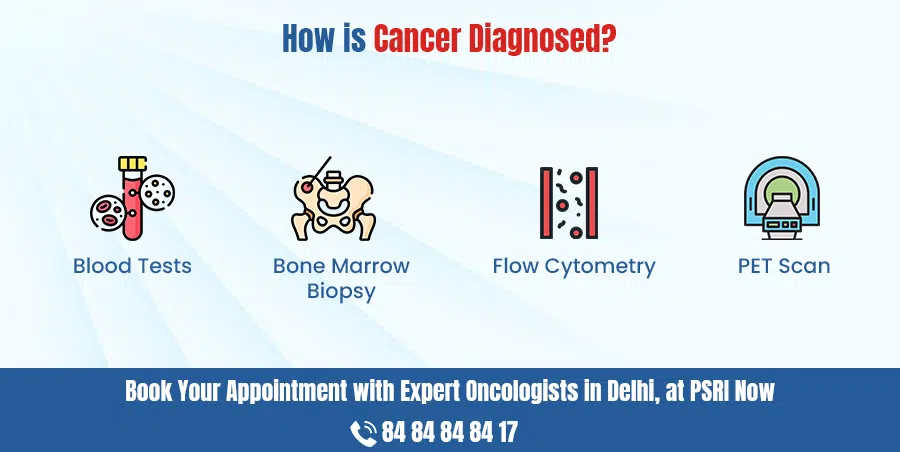
- Complete Diagnostic Support: Access to the key tools needed for blood cancer work-up in one campus PSRI offers all key tests in one place. Patients benefit from NABL-accredited laboratories, PET scan, flow cytometry, bone marrow biopsy, and molecular testing for accurate and early diagnosis.
- Full Range of Treatments: Patients receive chemotherapy, targeted therapy, immunotherapy, and transplant support under one roof, backed by advanced ICU care.
Need clarity on your cancer diagnosis or treatment options? Book your consultation at +91-84 4848417 with PSRI’s cancer specialists today!
FAQ’s
1. Can all blood cancers be cured?
Not all types are curable, but many can be treated successfully, and several can be controlled for years with the right plan.
2. How long does treatment take?
Some treatments last a few months, while others may need long-term medicines or maintenance therapy.
3. Is a bone marrow transplant always needed?
No. A transplant is needed only in selected cases where it improves cure chances.
4. Do international patients come to PSRI?
Yes. Many global patients choose PSRI for advanced diagnostics and specialised treatment.
5. What should I bring for my first visit?
Bring blood reports, biopsy results, scans, and any previous treatment records.