Book An Appointment
 Virtual Consultation
Prevent a Fall Save a Life: Complication of Falls in Elderly Patients

FACT CHECKED
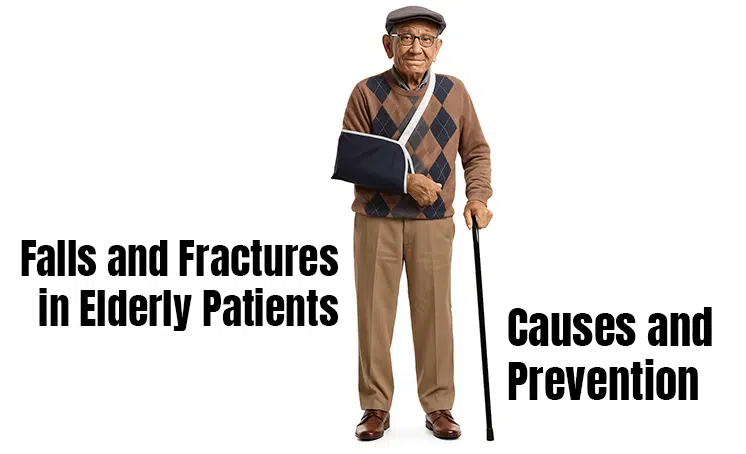
A single fall can change an elderly person’s life forever. What looks like a small slip can lead to broken bones, head injuries or long hospital stays. Getting back up is not easy for older adults. Recovery can mean weeks of pain, loss of confidence and sometimes permanent disability.
Studies show that about one in four adults aged 60+ experience a fall each year with risk rising due to age, prior falls, weak balance, multiple medicines, poor vision and unsafe home spaces. The good news is most falls can be prevented with simple precautions, early fall risk assessment and timely hospital support.
At PSRI, trusted as the best hospital in Delhi, our Emergency orthopaedics, Neurosciences and Physiotherapy teams work together to provide a clear and coordinated plan for seniors. You get quick scans, timely treatment and guided recovery. Let’s understand why falls happen, how they cause harm and how to prevent them.
How to Prevent Falls in Older Adults
The best treatment for falls is prevention. Majority of falls can be avoided with the right care and precautions below:
1. Home Safety Measures
- Keep walkways clear of furniture and clutter.
- Use non-slip mats in bathrooms and kitchens.
- Install grab bars near toilets and showers.
- Ensure good lighting in hallways and staircases.
- Use supportive footwear with good grip.
2. Lifestyle and Exercise
- Gentle activities like yoga, tai chi or walking improve balance and flexibility.
- Strength training builds muscle support around joints.
- Ensure daily movement to maintain stability.
3. Medical Monitoring
- Schedule regular vision and hearing tests.
- Review all medicines with a doctor to avoid side effects like dizziness.
- Check bone health regularly through bone density scans.
4. Nutrition and Hydration
- A diet rich in calcium, vitamin D and protein strengthens bones.
- Staying hydrated prevents dizziness caused by dehydration.
5. Emotional and Mental Support
- Emotional recovery is just as important after a fall.
- Stay active and social to reduce fear and anxiety.
Taking small steps today can prevent a serious fall tomorrow.
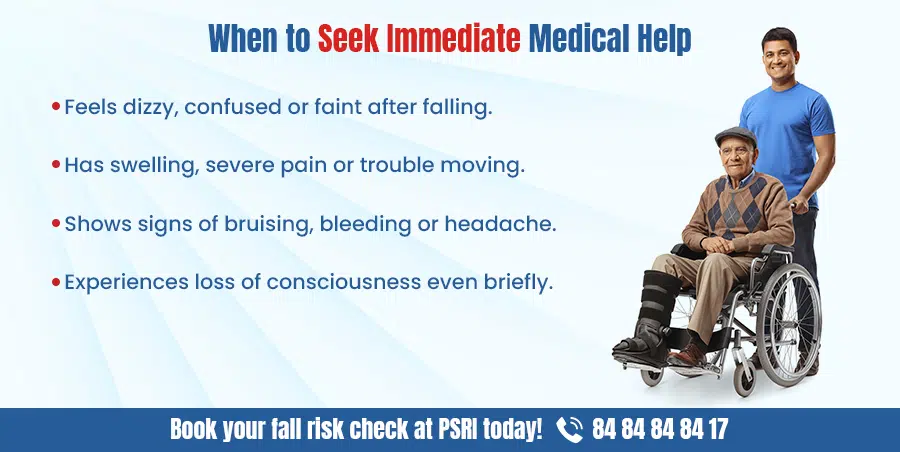
Complications of a Fall in Older Adults: What Makes Falls So Dangerous for Seniors?
A fall for a young adult might mean a bruise or a sprain but for an elderly person it can mean months of recovery or even life-threatening complications. Serious Complications That Can Follow a Fall are:
-
Hip fractures
- Impact: Very common in seniors and often needs surgery and long rehab.
- Watch for: Hip or groin pain, leg turned outward, unable to stand.
- Action: Get X-rays fast and start rehabilitation early.
-
Head injuries
- Impact: Even a small hit can bleed inside the skull.
- Watch for: Headache, vomiting, confusion and sleepiness.
- Action: Urgent scan and close observation to protect patient safety.
-
Spinal and Back Injuries
- Impact: Can cause nerve pain and mobility loss.
- Watch for: Severe back pain, weakness, numbness, loss of bladder or bowel control.
- Act now: Spine imaging and a safe step-by-step mobilization plan.
-
Internal Bleeding
- Impact: Higher risk if patient is on blood thinners.
- Watch for: Belly pain, dizziness, black stools or fainting.
- Act now: Immediate hospital check and monitoring.
-
Blood Clots
- Impact: Can form after days in bed and be life threatening.
- Watch for: Calf pain or swelling and sudden breathlessness.
- Act now: Quick tests and medicines to prevent clots.
-
Chest Infection
- Impact: Low movement leads to weak breathing and infection.
- Watch for: Cough, fever or fast breathing.
- Act now: Breathing exercises, early walking and antibiotics if needed.
-
Bedsores and Poor Nutrition
- Impact: Long rest damages skin and causes weight loss.
- Watch for: Red or open skin, poor appetite or weakness.
- Act now: Turn sides often, protect skin and take protein-rich meals.
-
Sudden Confusion
- Impact: Common after injury, pain or new medicines.
- Watch for: Restlessness, night-time awake and not recognizing family.
- Act now: Treat the cause, keep glasses and hearing aids on, re-orient gently.
-
Fear of Falling Again
- Impact: Leads to less walking and more weakness.
- Watch for: Avoiding stairs, skipping outings and staying in bed.
- Act now: Fall prevention coaching and confidence building exercises.
-
Loss of Independence
- Impact: Trouble with bathing, dressing, cooking and stairs.
- Watch for: Needing help for daily tasks, skipping meals and missed medicines.
- Act now: Home aids, caregiver support and a clear post-hospital care plan.
- Repeat ER Visits and Readmission
- Impact: Risks stay high if the root cause is not fixed.
- Watch for: New falls, breathing issues, leg swelling and persistent confusion.
- Act now: Fall risk assessment, home-safety fixes, medicine review and scheduled follow-ups.
These problems worsen quickly when the risk factors for falls in the elderly are present. Early injury prevention, focused rehab and close follow-up reduce danger and restore confidence. With coordinates Emergency orthopaedics, Neurosciences and Physiotherapy, families trust PSRI as the best hospital in New Delhi for safe recovery and long-term, patient-centric care.
Book Your Fall-Risk Assessment at PSRI Today!
At PSRI, preventing another fall is as important as treating the first. We stop repeat falls by spotting risk early and moving fast. Our team reviews your history and Electronic Health Records (EHR) to guide a clear fall-prevention plan. If a fall happens you get rapid evaluation, pain control and early rehab through one coordinated pathway under one roof.
Keep progress steady with simple daily steps such as balance checks, safer home spaces and a quick medicine review.
Worried about balance or a recent stumble? Book your Fall Risk Assessment at PSRI, the trusted choice and best hospital in New Delhi for safe recovery and long-term care.
FAQs
1. What are the top risk factors for falls in the elderly?
Ans. Previous falls, weak legs, poor balance, vision problems, multiple medicines, low blood pressure and home hazards.
2. What complications should we fear most after a fall?
Ans. Hip fractures and head injuries. Then confusion, clots, chest infection and pressure sores. Early surgery and rehab improve outcomes.
3. Do all seniors with a head bump need a CT scan?
Ans. Not all but many do. Age, symptoms and blood thinners matter. If in doubt, visit our emergency department.
4. Which prevention steps make the biggest difference?
Ans. Strength and balance training, medication review, vision correction, safe bathrooms and stairs and osteoporosis care.
5. How soon should rehab start after a fall or surgery?
Ans. Day 1 if safe. Early mobilization prevents weakness, confusion and clots and speeds return to normal life.